For a more detailed review of the respiratory effects of e-cigarettes, see Gotts and colleagues.[9] In the US, there was a national outbreak of EVALI, with 2807 hospitalizations and 68 deaths as of 18 February 2020.[47] This illness peaked in September 2019 and is now steadily declining.[48,49] In comparison, EVALI cases in Canada have been relatively sparse, with a total of 19 cases, 15 hospital admissions, and no deaths reported as of 11 March 2020.[50] EVALI was first reported in the US in August 2019 in a case series that included 53 patients.[51] Most of those patients presented with respiratory symptoms (dyspnea, cough, chest pain), gastrointestinal symptoms (nausea, vomiting, diarrhea, abdominal pain), and constitutional symptoms (fever, chills, malaise)

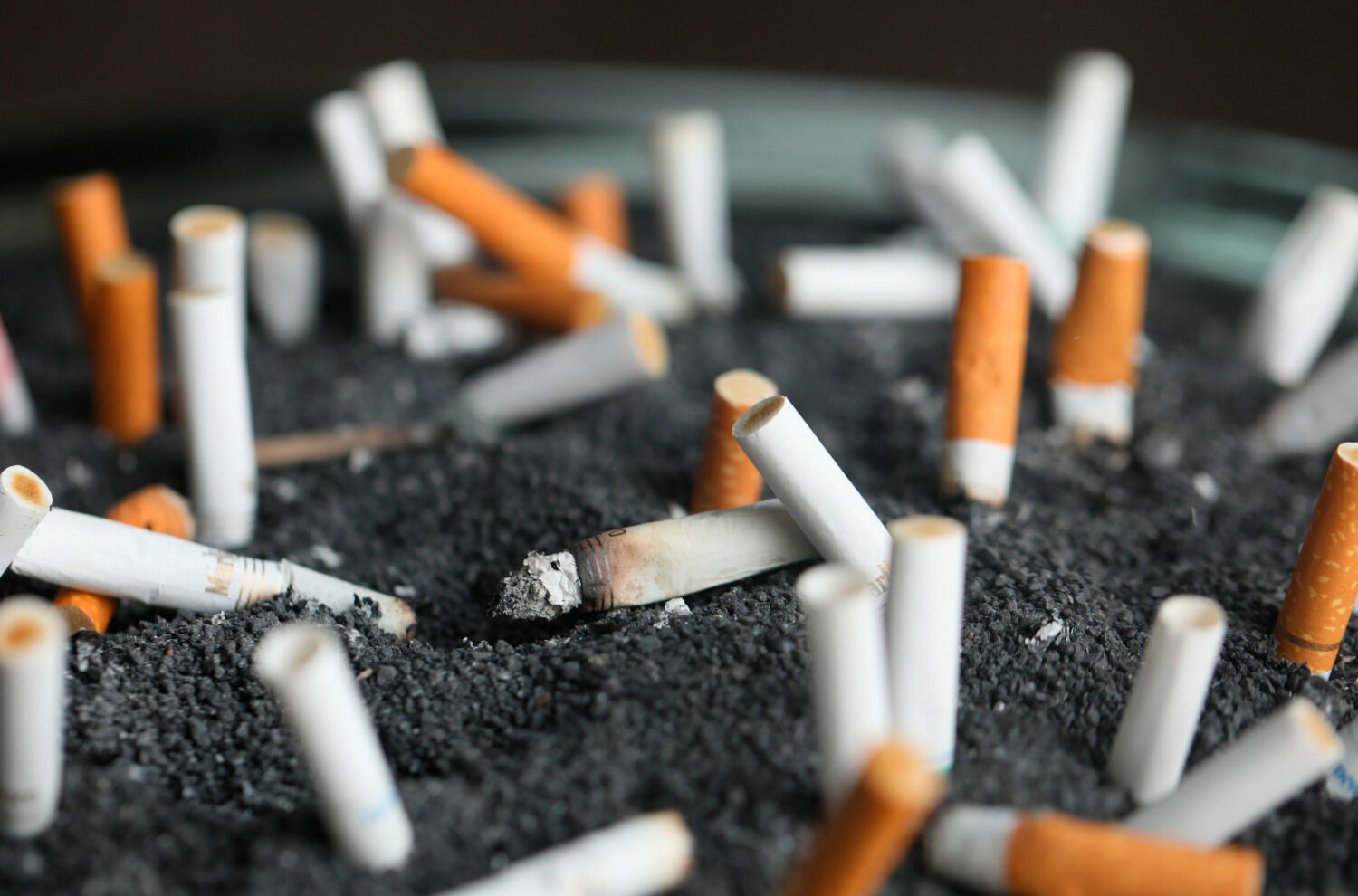
Key substances include: Tar : A sticky residue that coats the throat and lungs, contributing to irritation and impaired airway function Carbon monoxide : Reduces oxygen delivery in the body, placing stress on respiratory tissues Formaldehyde : An irritant that can cause burning sensations and inflammation in the throat Ammonia : Enhances nicotine absorption but also irritates the mucous membranes, causing chronic inflammation Acrolein : Damages the airway lining and contributes to inflammation These chemicals from tobacco smoke can disrupt normal respiratory function, increase sensitivity, and promote ongoing throat irritation with repeated exposure
COMMENT AUGMENTER MES CHANCES DE SUCCS
The changing face of tobacco use among United States youth