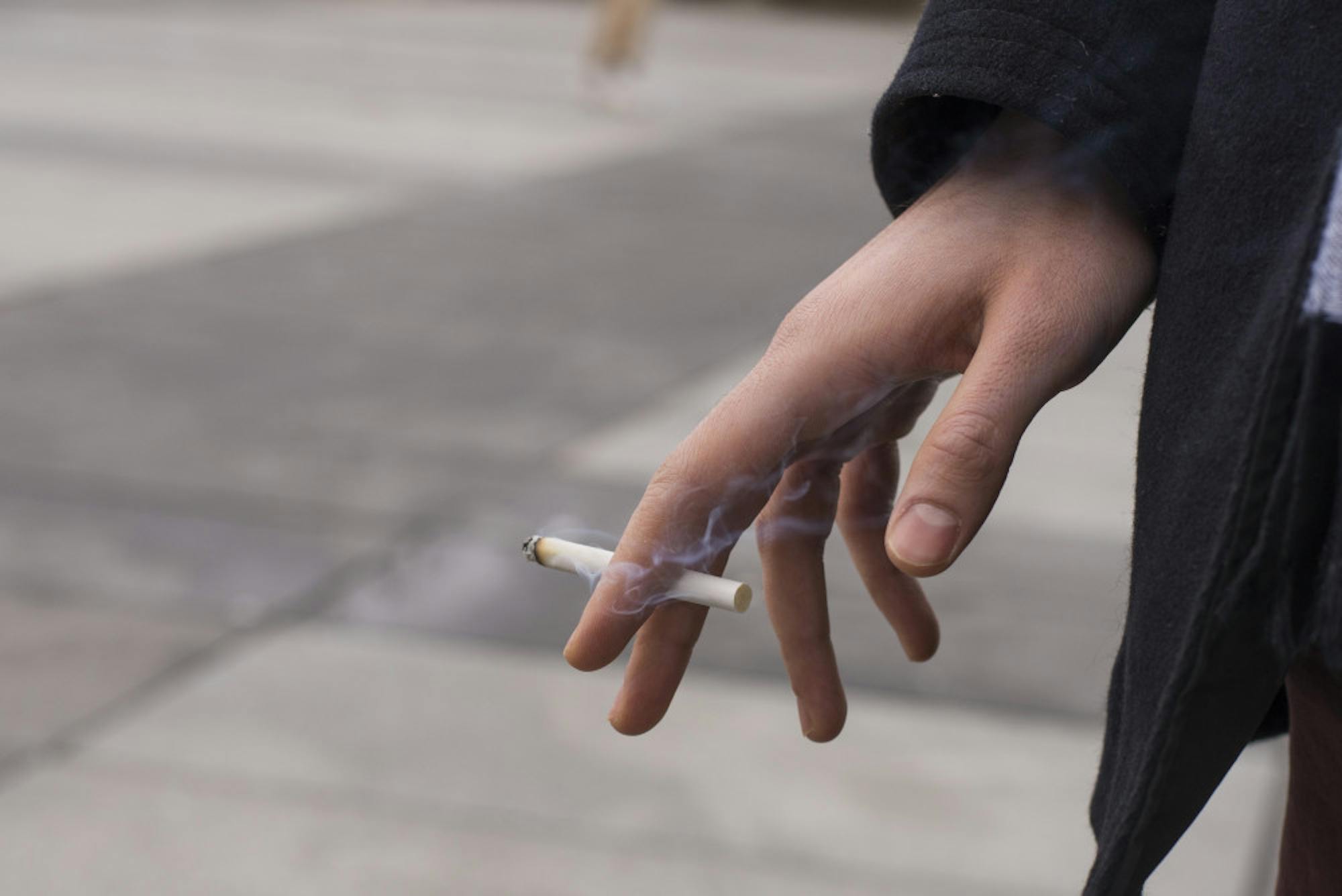
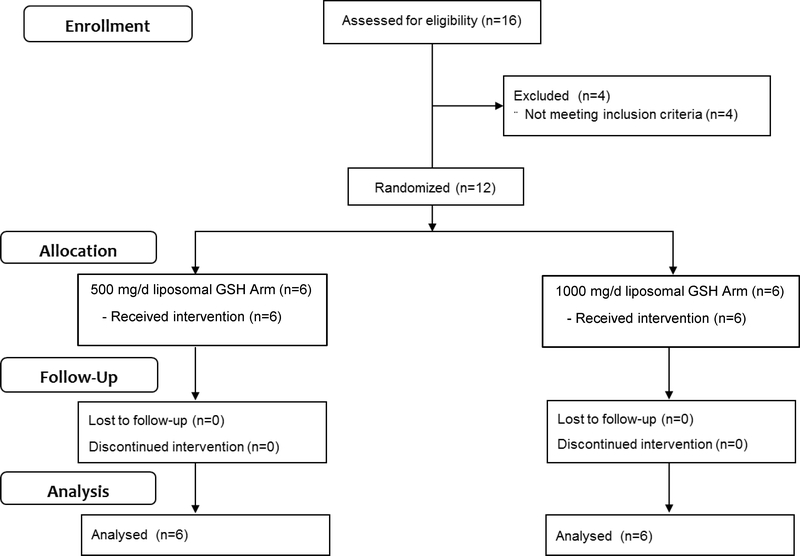
Contact with air pollution for a longer time period lowers surfactant resistances (168) and raises oxidative phospholipid-altered substances in surfactant fluids, such as 1-palmitoyl-2-phosphorylcholine (PAPC)-3-arachidonic-sn-glycero and other metabolic byproducts, which may play a role in endothelial barrier dysfunction and the selection of inflammatory cells (Figure 2), facilitating effective signal transfer to the systemic circulation of these and other signals (153)
Additionally, eat a diet rich in antioxidant-containing foods like fruits, vegetables, nuts, and seeds
Aotearoa New Zealand had a vaping prevalence of 1.4% in 2015/2016[xxiii] - this was in contrast to the UK, which in 2016 had a legal vape market and a vaping prevalence four times that of Aotearoa New Zealand at 5.7%.[xxiv] Following legalisation of nicotine-containing vaping products in 2018, Aotearoa New Zealand experienced a rapid uptake of vaping, to the extent that vaping product use has, as of 2022, overtaken tobacco smoking in Aotearoa New Zealand, according to the latest data from the New Zealand Health Survey.[xxv] Shortly after the legalisation of nicotine vaping products in Aotearoa New Zealand, a 2019 survey of current and former smokers in 14 countries,[xxvi] including the USA, Australia and China, found that Aotearoa New Zealand had the second highest prevalence of vaping among ex-and-current- smokers, second only to the United Kingdom
We woke the doctor up, and his housekeeper laid out his usual requirements for breakfast: orange juice, coffee, hash pipe, Dunhill cigarettes, a half-pint tumbler of Chivas Regal on ice and a small black bowl filled with cocaine