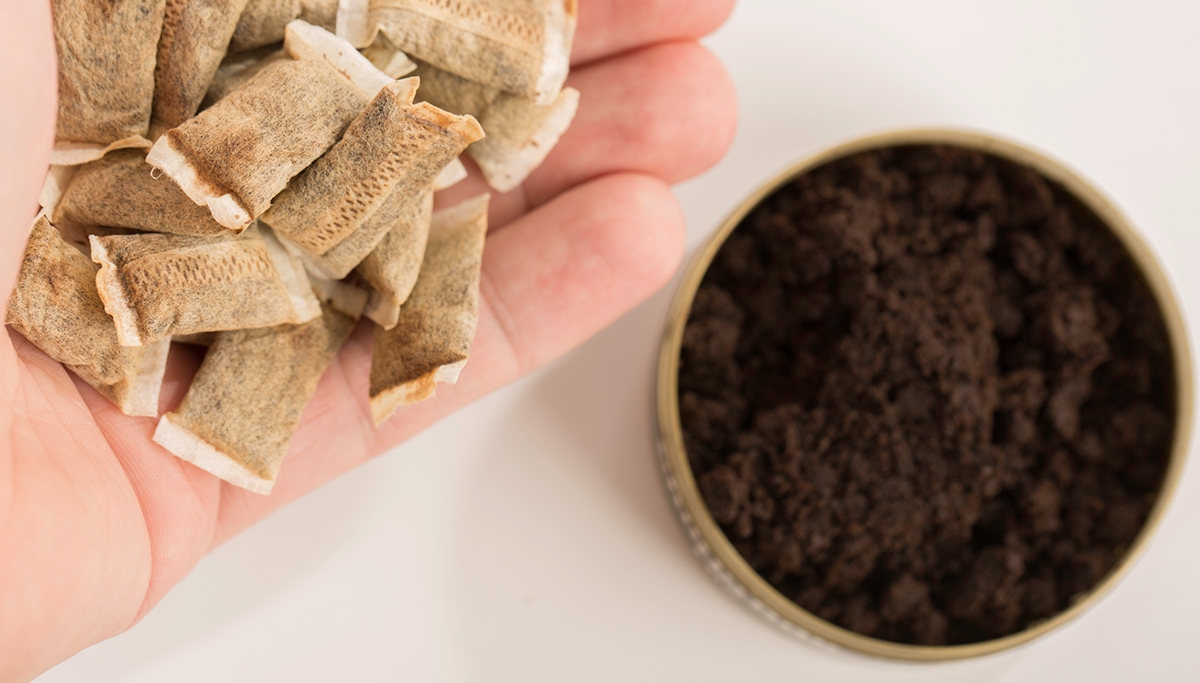
The pattern of change within the age groups in India suggests that the overall decline in the proportion of adults who used SLT currently or during the last 12 months in Wave 2 compared to Wave 1 of India might have primarily been driven by reduced initiation among younger participants, rather than cessation among older age groups

Figure 11.2: Very Brief Advice pathway Figure 11.2 shows that dental teams should: ask all patients about tobacco use, as part of medical history and recheck and record this at every visit, with questions such as: Do you smoke? Do you use tobacco products, for example snuff, paan, chewing tobacco, or shisha? Have you ever smoked or used tobacco in the past? When did you stop? examine all patients (oral cancer screening, basic periodontal examination, monitor or refer lesions) and record signs of tobacco use, including: staining halitosis mucosal changes advise those at risk on method of quitting, without asking patients if they want to quit (which can lead to defensiveness) and avoiding detailed questions: Research shows the best way to stop is with a combination of specialist support and medication
Good sized patch for all hat styles
Positive Results & the Detection Window (1) Cotinine may stay in the system longer for heavy and regular smokers who have a slower metabolic rate or whose kidney does not clean the nicotine out at a steady rate