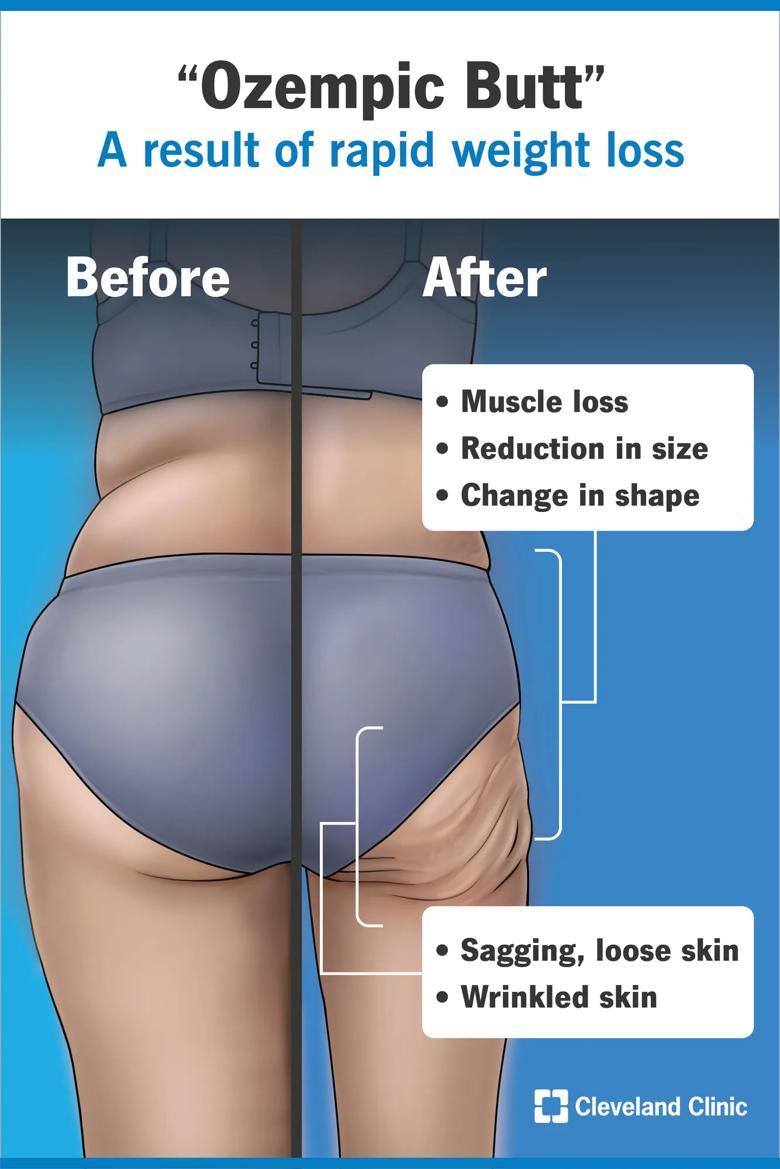
When GLP-1 drugs may be appropriate for lipoedema With all of the above said, there are circumstances where GLP-1 drugs may be a reasonable consideration for women with lipoedema: When prediabetes or type 2 diabetes is present and not adequately controlled through nutrition alone When chronic stress and cortisol dysregulation are significantly impairing metabolic function and the ability to lose abdominal weight, despite a well-structured nutrition protocol When these decisions are made collaboratively with a medical team that understands lipoedema and is actively monitoring muscle mass, bone health, nutritional status, and mental health In all cases, a low-inflammatory, nutritionally balanced eating approach remains essential alongside the medication: GLP-1 drugs are not a replacement for good nutrition
If you're exploring ways to take variability out of your operation without slowing it down, let's connect so we can share what we're seeing across different compounding pharmacy models
While some users do not experience these symptoms, it is important to note that drugs like Ozempic come with great risks and should be handled with care
found that GLP-1R activation reduced tumor growth and metastatic potential by inhibiting ERK1/2 and AKT phosphorylation, lowering MMP-2 and MMP-9 expression, and increasing E-cadherin