It cycles between reduced (GSH) and oxidized (GSSG) forms to preserve cellular oxidative homeostasis
Although the direct cytotoxic effects of high cellular GSSG levels have been documented in a variety of cell types 33,34,35,36 , our cell culture studies with hepatocytes revealed that increased GSSG accumulation, despite being non-toxic per se, could sensitize hepatocytes to TNF-induced killing, suggesting that GSSG and TNF can synergistically induce hepatocyte death and that GSSG-triggered sensitization to TNF hepatotoxicity represents a clinically relevant process that may account for disease progression in NAFLD
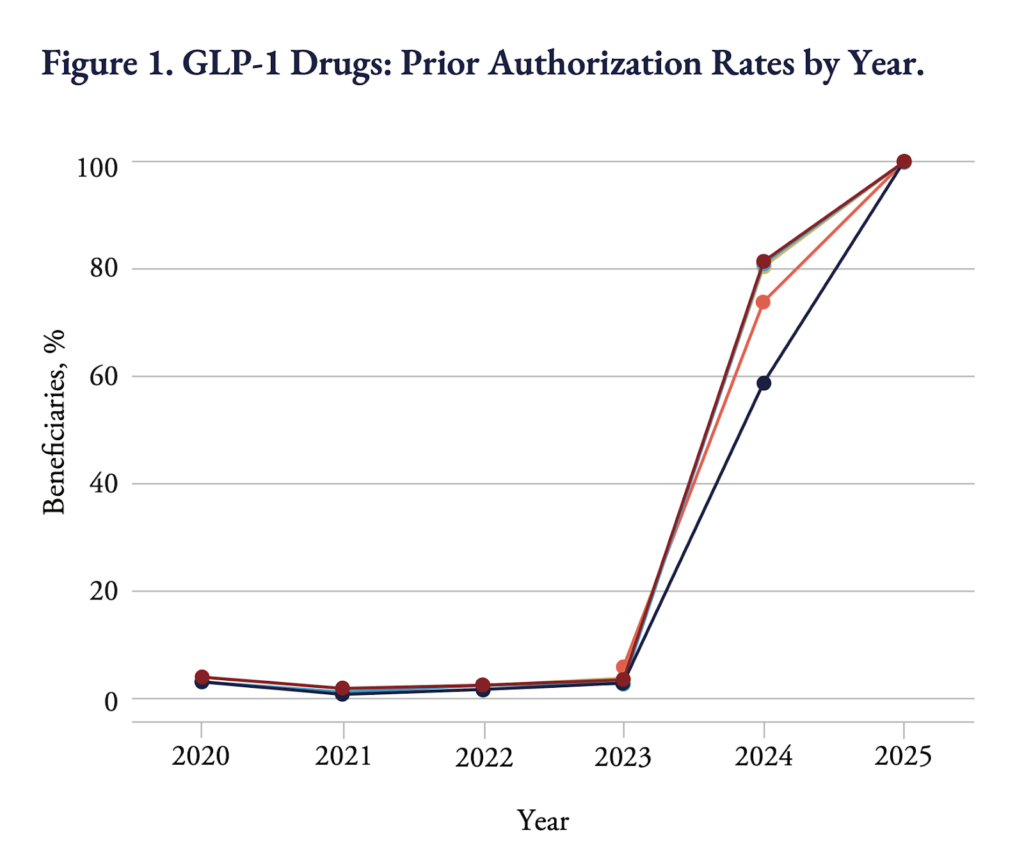
The Legal & Ethical Dimension For policyholders, especially those managing obesity alongside chronic conditions, losing access touches on potential bad-faith denial of medically necessary treatment
Yeo YH, Gaddam S, Ng WH et al (2024) Increased risk of aspiration pneumonia associated with endoscopic procedures among patients with glucagon-like peptide 1 receptor agonist use