rather, the dominant effect is mediated through altered carnitine availability ( Cytoprotective, vascular, and mitochondrial effects Meldonium has been reported to exert vasodilatory effects, likely via nitric-oxiderelated pathways, with potential implications for blood flow and oxygen delivery during exertion ( Hypoxia and intense exercise promote inflammatory activation and oxidative stress that contribute to mitochondrial dysfunction, often via disturbed fusionfission balance and accumulation of damaged mitochondria/mtDNA ( Mitochondrial remodeling in response to Meldonium is not necessarily benign: increased mitochondrial turnover or exercise-induced stress can elevate ROS and mtDNA vulnerability, particularly with impaired antioxidant defenses or DNA repair ( In athletes, prolonged high-intensity exertion may lead to athletic heart syndrome, characterized by cardiac hypertrophy, inflammation, oxidative stress, mitochondrial dysfunction, and accumulation of acylcarnitines with disturbed substrate oxidation ( -oxidation and activating glucose-metabolic pathways (e.g., 6-phosphofructokinase and pyruvate dehydrogenase), Meldonium shifts ATP production from lipids toward carbohydrates during exercise, which may reduce oxidative stress and improve metabolic flexibility ( Preclinical performance data are mixed

10.1096/fj.202400721R 47
There are no restrictions on data availability in the paper
As this progresses, the protective blood-brain barrier (BBB) starts to break down like a filter becoming more porous over time











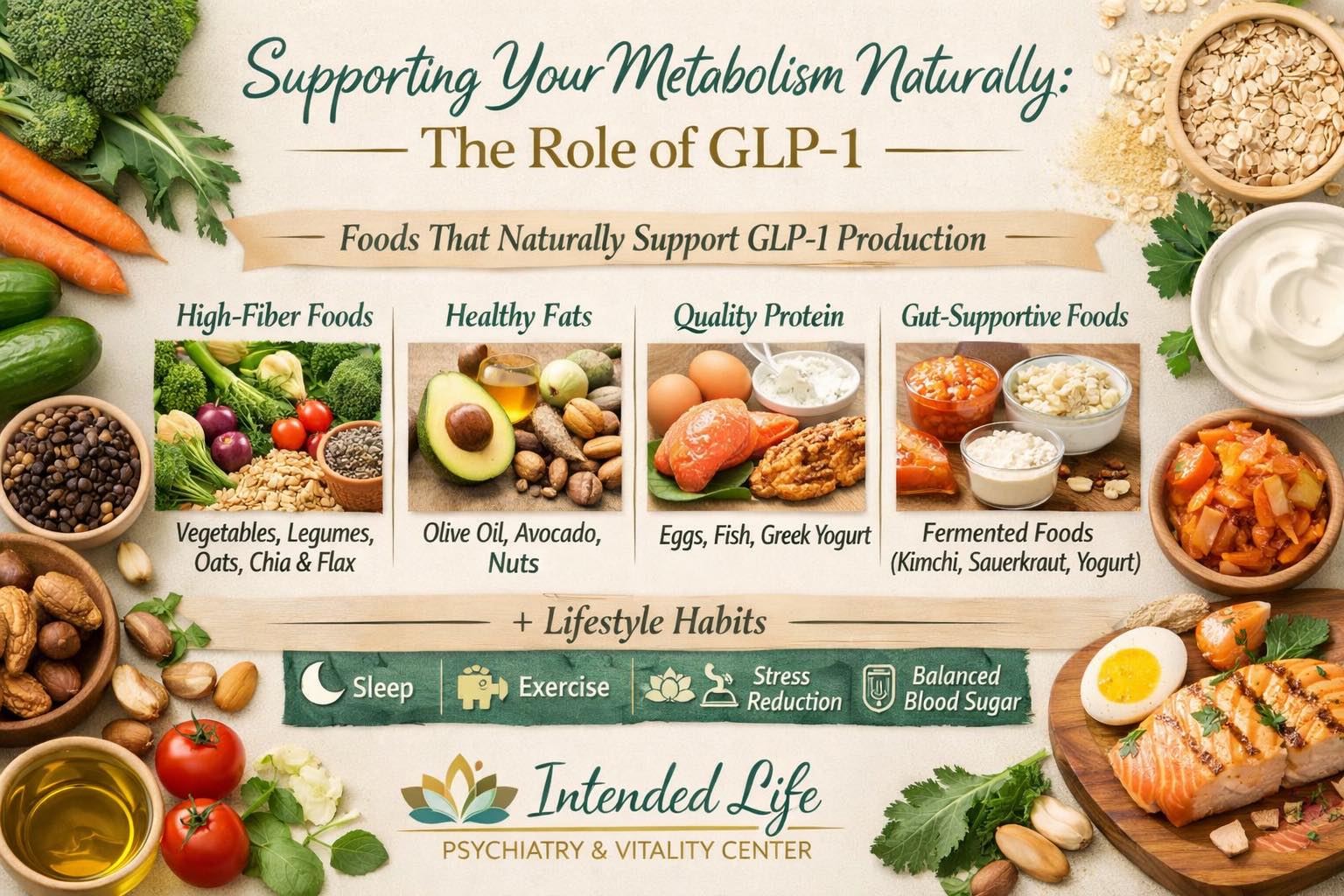

:max_bytes(150000):strip_icc()/Simple-7-Day-GLP-1-Friendly-Meal-Plan-for-Beginners-Created-by-a-Dietitian-69f3d02b6c2c41928135df7f0c417552.jpg)