The NL-BPC-157 form significantly surpasses other forms of this peptide and is much more effective
Our carnitine and acylcarnitine analysis service is supported by the same robust infrastructure used in our proteomics, transcriptomics, and genomics workflowsenabling you to extend insights beyond single-pathway measurements

[Ref] Renal Common (1% to 10%): Kidney failure (chronic hemodialysis patients) [Ref] Endocrine Common (1% to 10%): Parathyroid disorder [Ref] Respiratory Very common (10% or more): Pharyngitis (27%), cough increase (18%), dyspnea (11%), rhinitis (11%) Common (1% to 10%): Bronchitis, sinusitis [Ref] Dermatologic Common (1% to 10%): Pruritus, rash [Ref] Ocular Common (1% to 10%): Amblyopia, eye disorder [Ref] Genitourinary Common (1% to 10%): Urinary tract infection [Ref] Cardiovascular Very common (10% or more): Hypertension (21%), hypotension (19%) Common (1% to 10%): Atrial fibrillation, arrhythmia, cardiovascular disorder, electrocardiogram abnormal, palpitations, tachycardia, vascular disorder [Ref] Hypersensitivity Common (1% to 10%): Allergic reaction [Ref] Psychiatric Common (1% to 10%): Depression, anxiety, drug dependence, insomnia [Ref] Immunologic Very common (10% or more): Infection (24%) [Ref] References 1
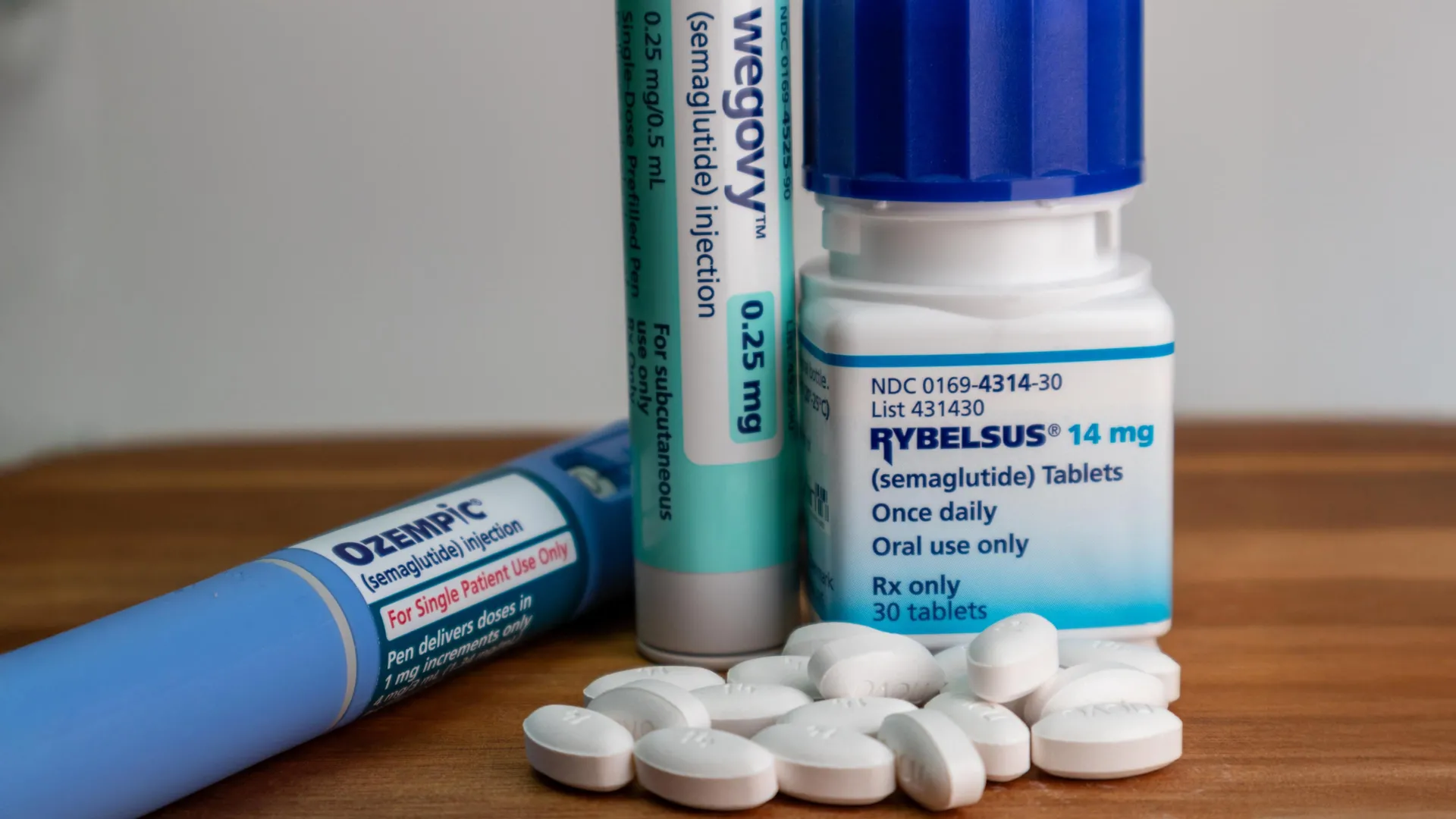
Why is the injection better than pills




![Ozempic Vision Loss Lawsuit [2026 Update]](https://www.torhoermanlaw.com/wp-content/uploads/2024/09/GLP-1-Vision-Loss-MDL-3163.jpg)