Consultation Assessment Targeted Goals Post-Treatment Experience After beginning treatment with Tirzepatide Injection, patients generally experience a gradual improvement in blood sugar levels, which requires continuous monitoring
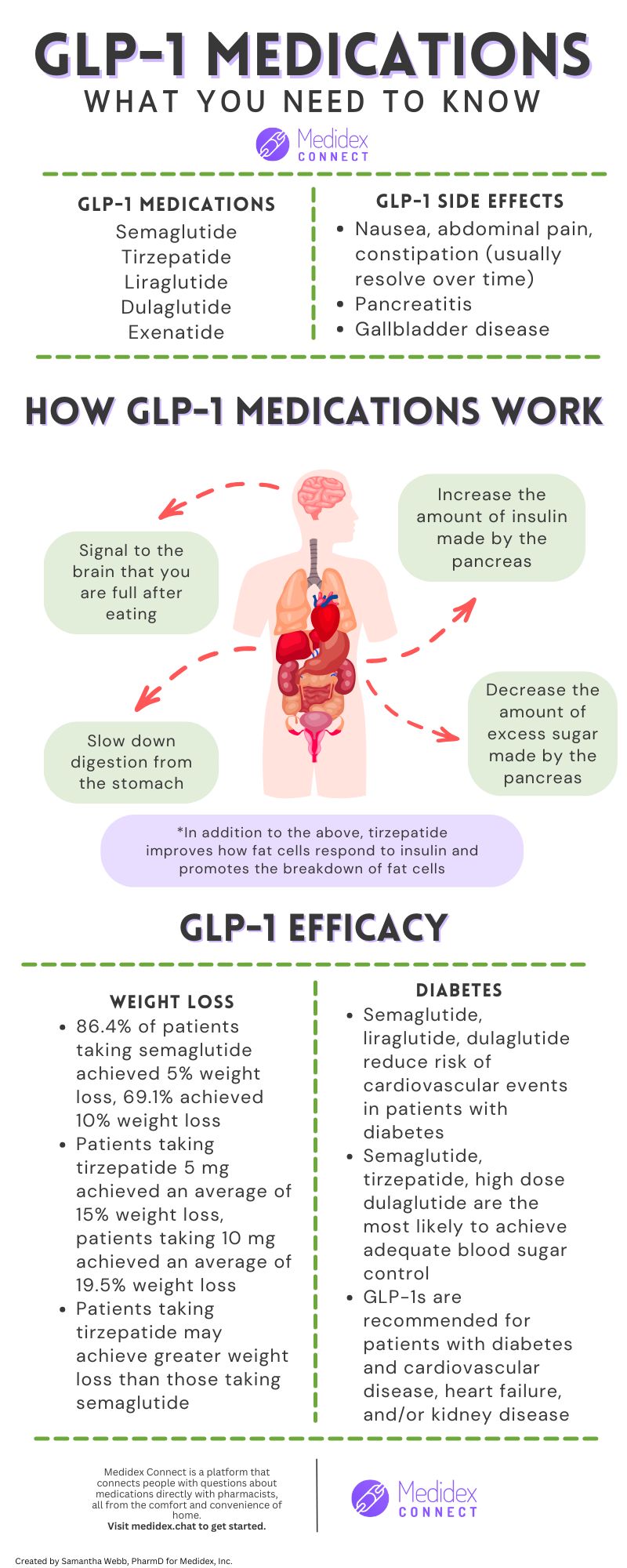
Contact your GP or diabetes specialist if you experience: Severe or worsening fatigue that significantly impairs daily functioning or persists despite self-management strategies Signs of dehydration including dark urine, dizziness, rapid heartbeat, or confusion Symptoms suggesting hypoglycaemia (low blood glucose) such as shakiness, sweating, confusion, or palpitations, particularly if you take insulin or sulfonylureas Persistent nausea or vomiting preventing adequate food or fluid intake Unintentional, rapid, or concerning weight loss , or inability to maintain adequate nutrition Symptoms of nutritional deficiency including pale skin, shortness of breath, tingling in hands or feet, or muscle weakness Seek urgent medical attention if you develop: Severe, persistent abdominal pain (with or without vomiting) may indicate pancreatitis Right upper abdominal pain, fever, or yellowing of skin/eyes possible gallbladder problems Severe dehydration or significantly reduced urination risk of kidney problems Signs of allergic reaction such as rash, swelling, or difficulty breathing Your GP may recommend blood tests to assess for anaemia, thyroid function, kidney function, and other causes of fatigue based on your symptoms

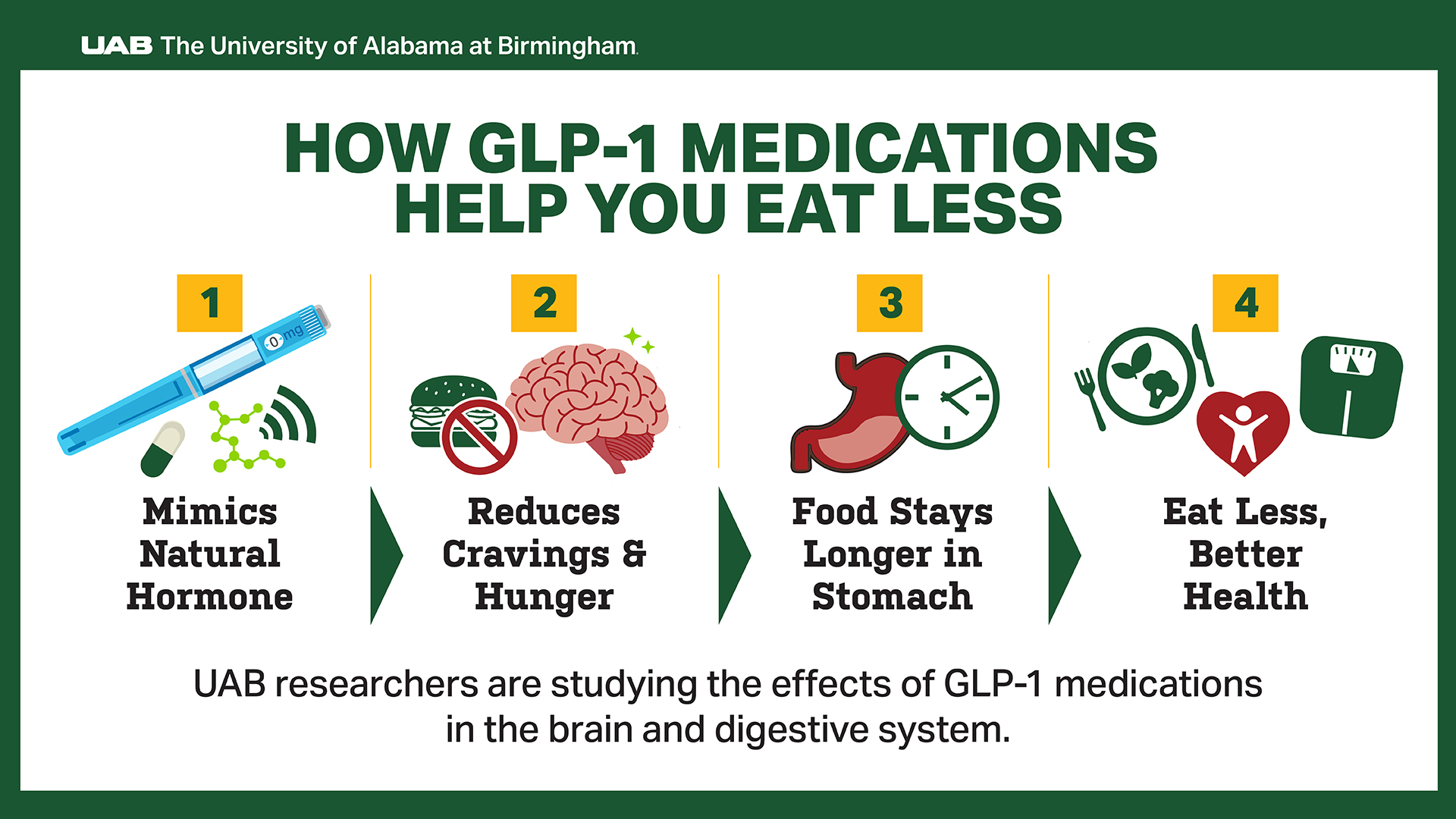
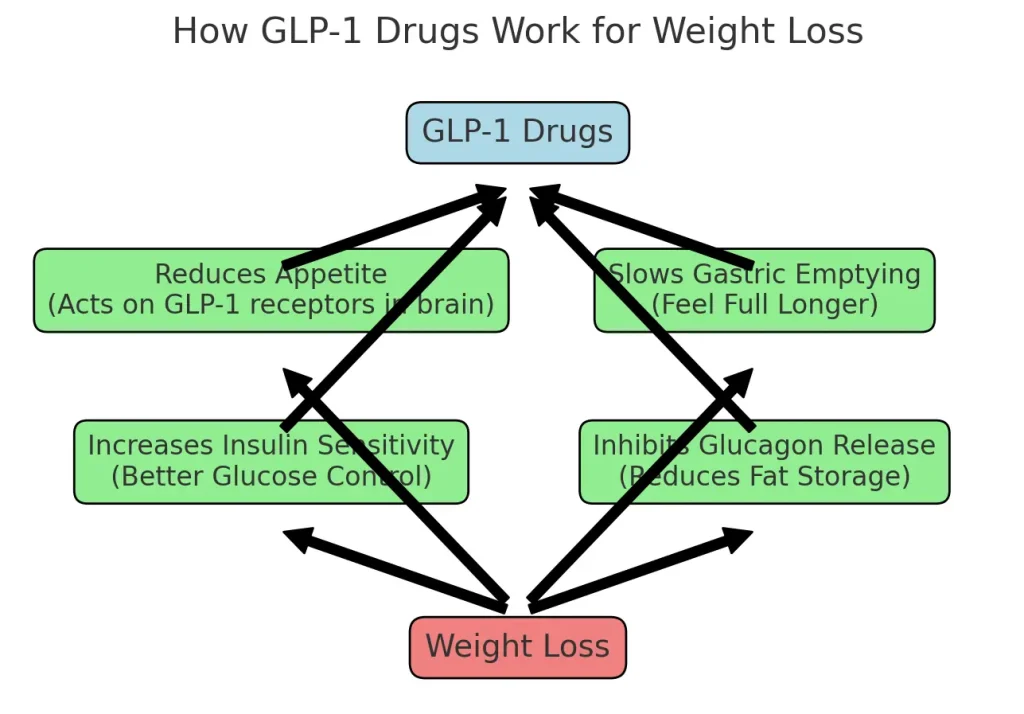
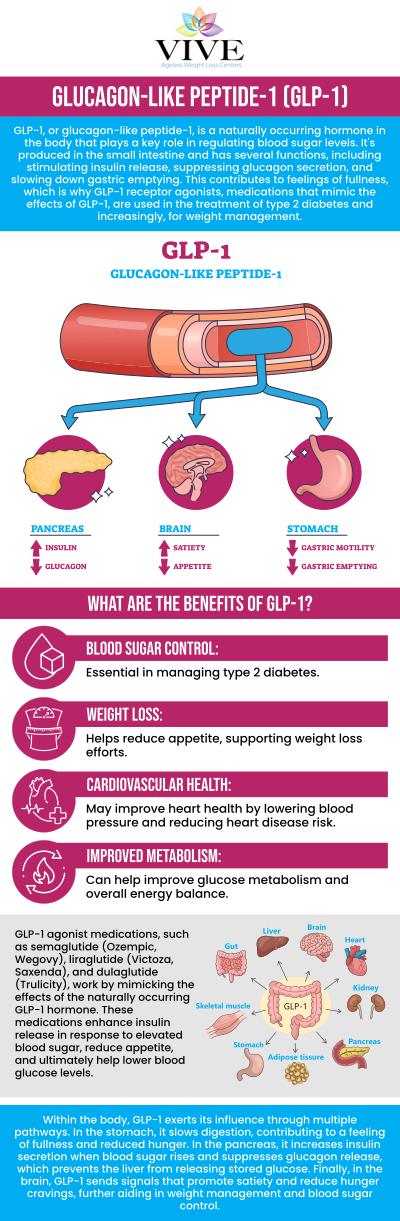
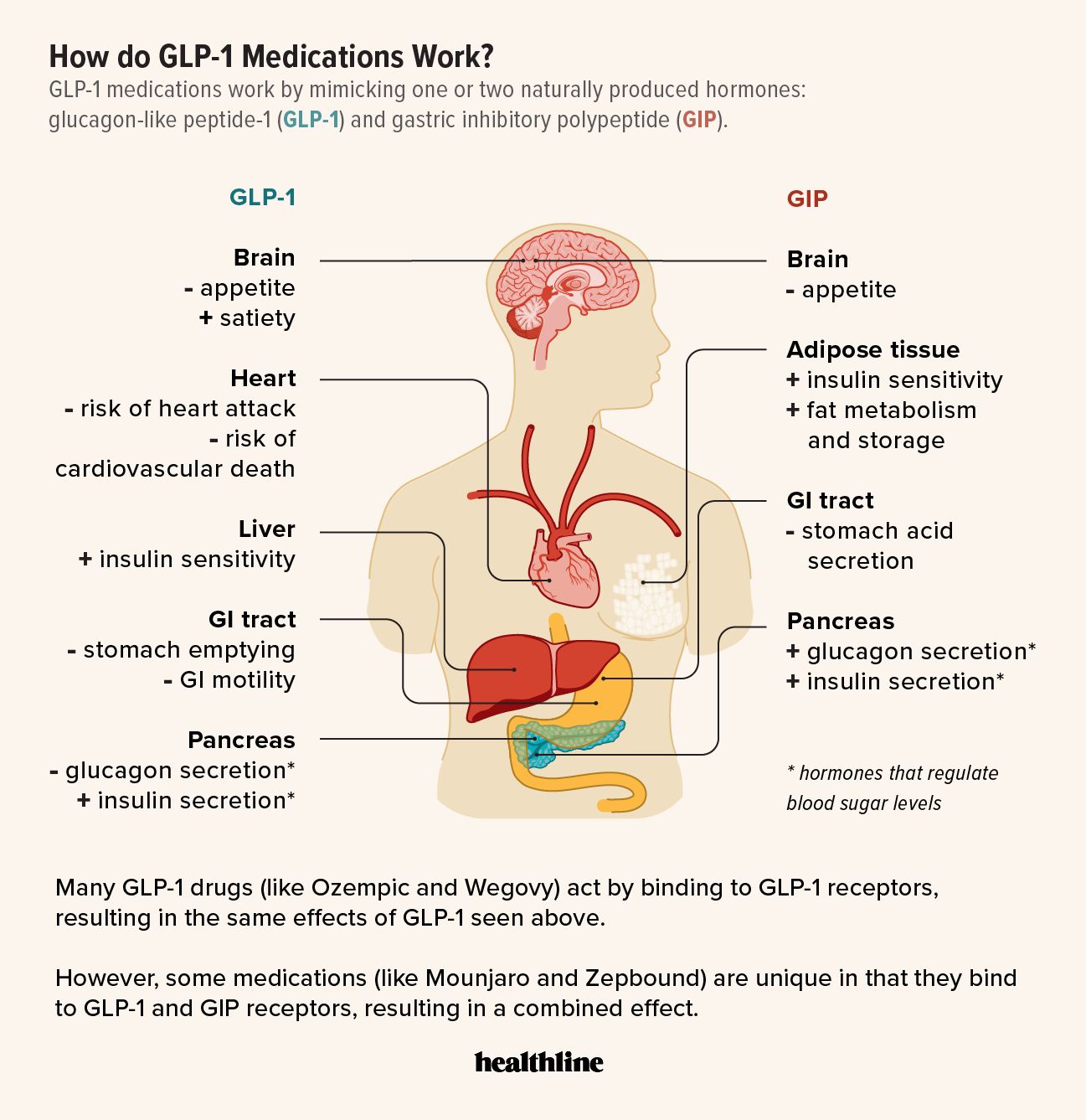
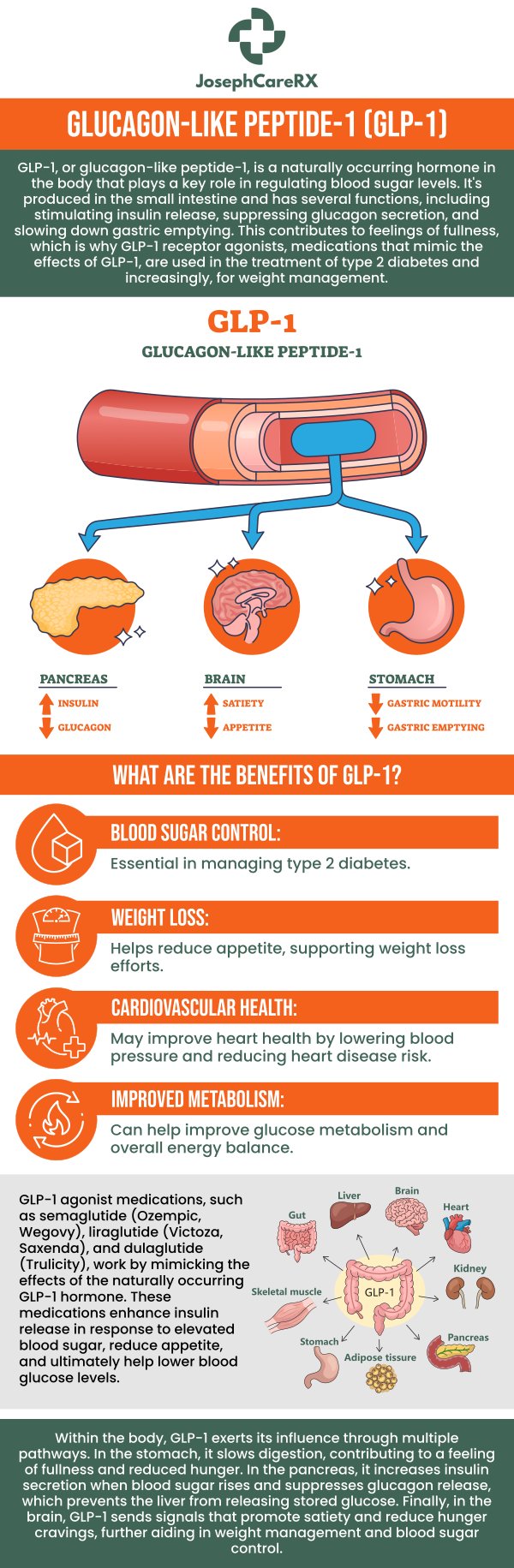
Activation of these receptors may reduce appetite, increase satiety, and slow gastric emptying, though the gastric emptying effects tend to diminish with chronic use
Along with promoting fatty acid oxidation, L-carnitine additionally enhances insulin sensitivity, stabilizing glycogen concentrations by lowering carb intake, corresponding with an increase in total fat use











:max_bytes(150000):strip_icc()/health-GettyImages-2025836701-ce3f5ccf0f98428e9d14abaeb07ba307.jpg)