These are promising results, but the studys authors note that more research is needed, and clinicians must also consider potential adverse effects, evaluate the cost-effectiveness of these medications for each patient, and closely monitor for any improvement or worsening of eating disorders and related side effects. That hesitation is shared by the National Eating Disorder Association (NEDA), who published an opinion paper on GLP-1s and eating disorders in 2024, stating: While there is some evidence that GLP-1s can decrease the number of binge eating episodes for those with BED, little is known about the long term physical and psychological impact on those with eating disorders. How GLP-1s could also fuel eating disorders The same mechanisms that make these medications helpful for some could make them harmful for others
The impact of temperature on semaglutide and temperature on tirzepatide follows similar degradation patterns
The perilipins: major cytosolic lipid droplet-associated proteins and their roles in cellular lipid storage, mobilization, and systemic homeostasis
96 In conclusion, while time-restricted eating provides significant metabolic benefits over standard care, its efficacy appears comparable to simple calorie restriction, with the specific timing of the eating windowparticularly avoiding a double metabolic hit of breakfast skipping and late-night eatingplaying a crucial role in enhancing insulin sensitivity and circadian alignment
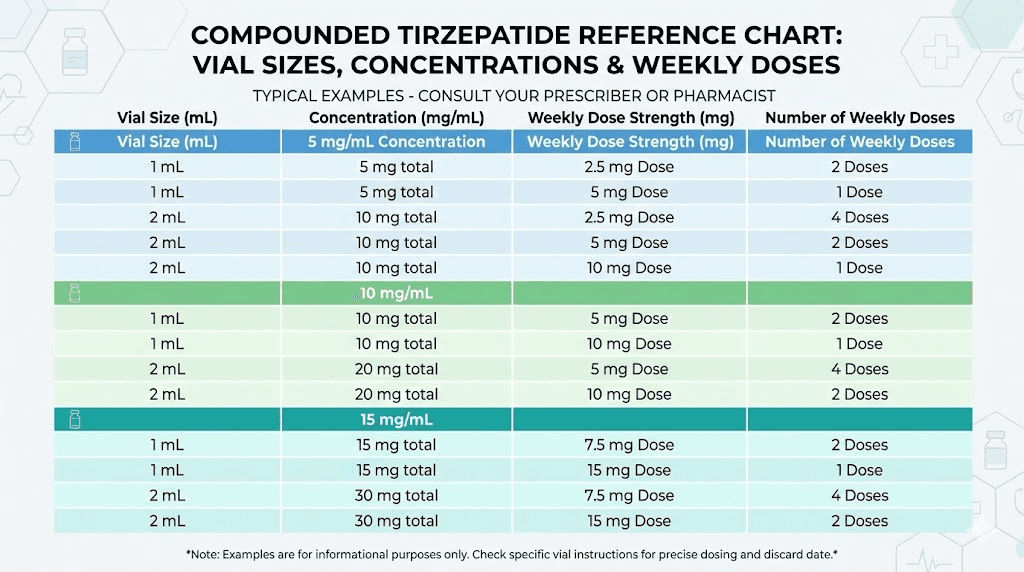
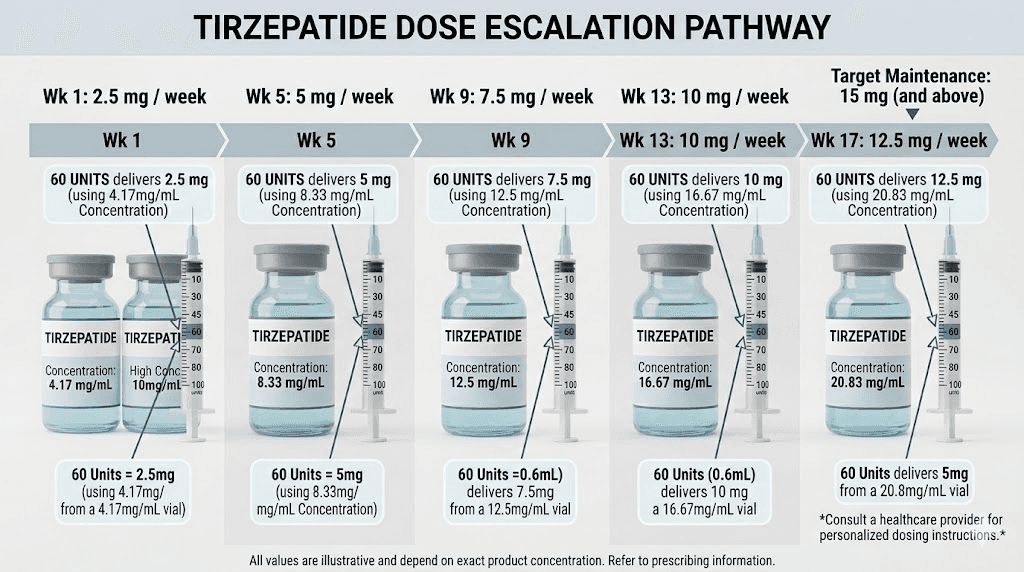

-1775582746855.png&w=3840&q=75)





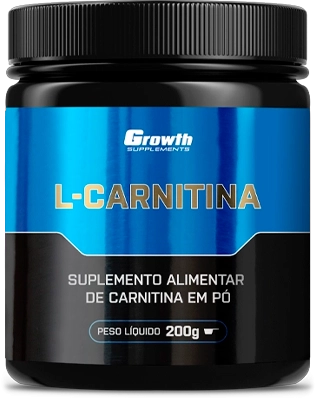





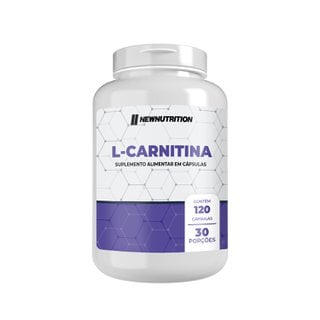



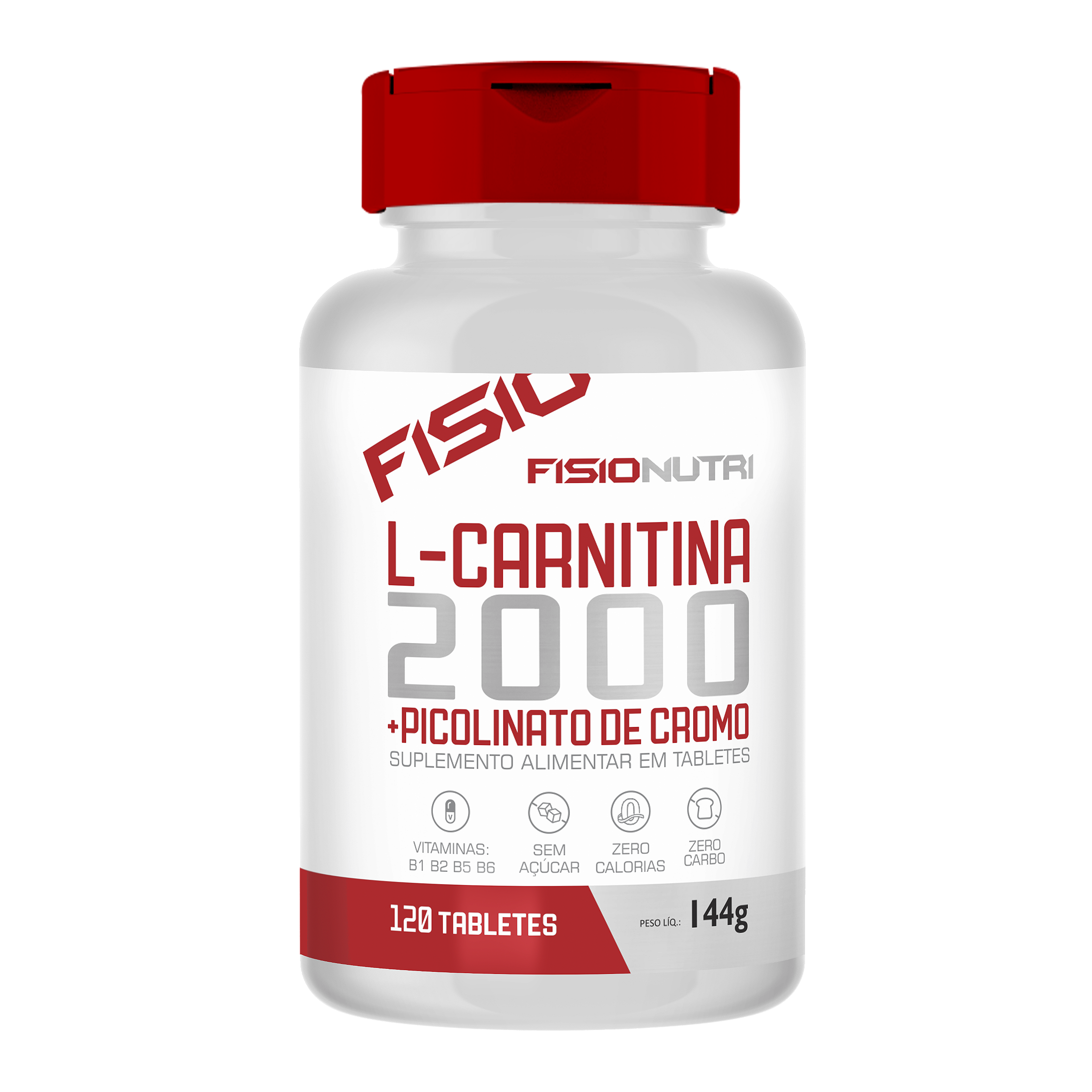
![PORQUE EU USO L-CARNITINA [BENEFÍCIOS E COMO USAR]](https://i.ytimg.com/vi/mryV4CiV9_E/hq720.jpg?sqp=-oaymwEhCK4FEIIDSFryq4qpAxMIARUAAAAAGAElAADIQj0AgKJD&rs=AOn4CLD4A4NVq_BjXhRwNgTwP2aDkBTRSg)