Some individuals may experience zinc depletion with long-term, high-dose supplementation
When pain medications repeatedly failwhether through immune suppression, detox depletion, gut injury, hormonal disruption, or nervous system sensitizationit becomes clear that durable relief requires restoration of the biological systems responsible for healing , not further escalation of suppression

Some notable safety-related conclusions from scientific materials include: A 2016 review of TB4 for dermal healing: The safety profile is excellent, and no preclinical toxicology has been found.22 A 2016 clinical trial on patients with STEMI: Our pilot study suggested that T4-optimized EPC transplantation appeared to be feasible and safe.34 A 2021 review of TB4 research: It was well tolerated and safe in healthy people and suitable for use in a clinical study.21 Though the compound itself may be generally safe for adults to use, some common side effects from TB4 injections reported by patients and doctors include: Injection site reactions (e.g., redness, mild swelling, or pain) Mild gastrointestinal symptoms Headaches and dizziness Rare but more serious side effects can include fever, blistering at the injection site, muscle aches, skin rash, vomiting, severe itching, or hives
Research surrounding BPC-157 has focused on its ability to support muscle recovery, connective tissue health, and digestive tissue integrity, making it one of the most widely used peptides in recovery-focused protocols







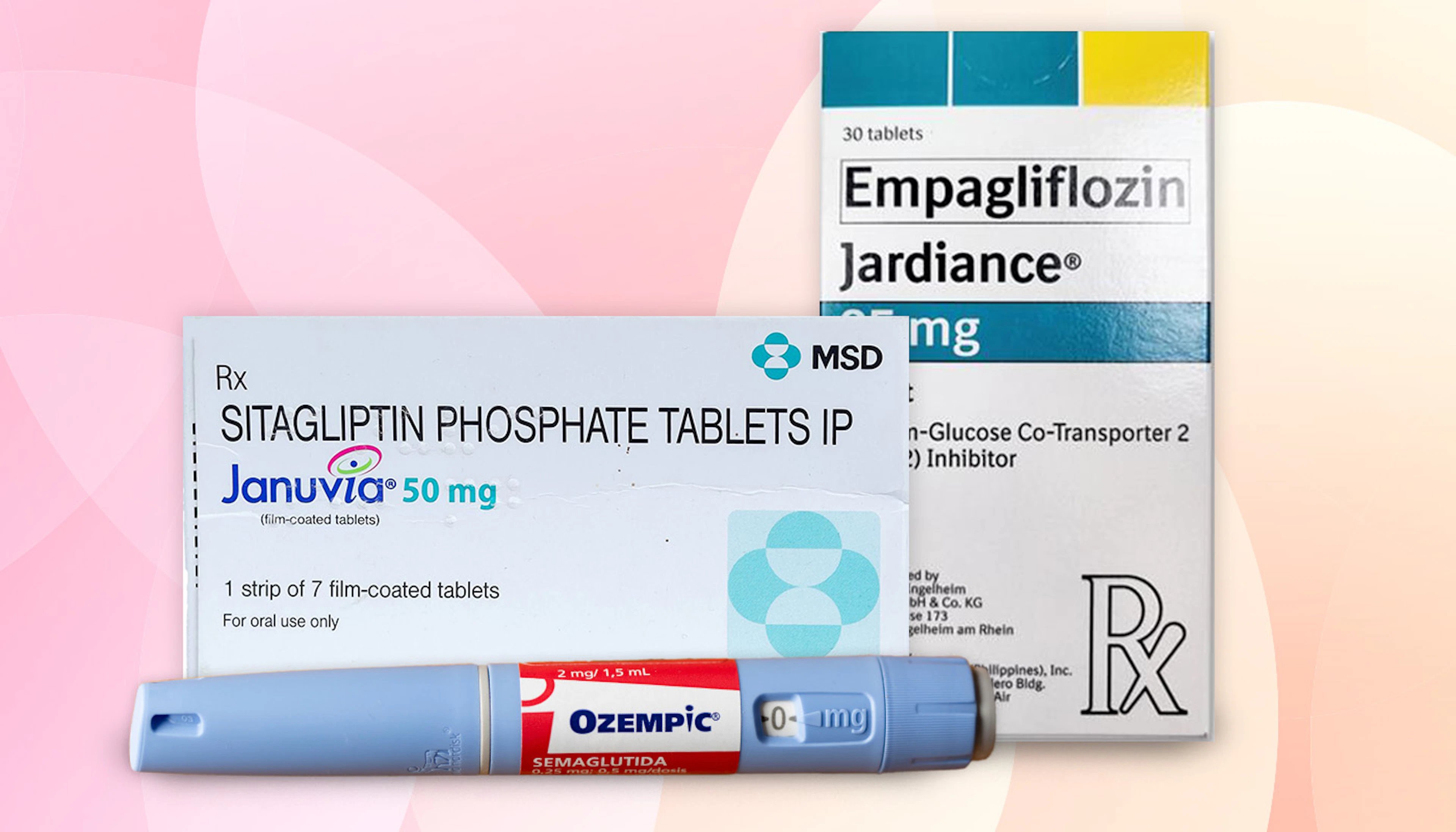
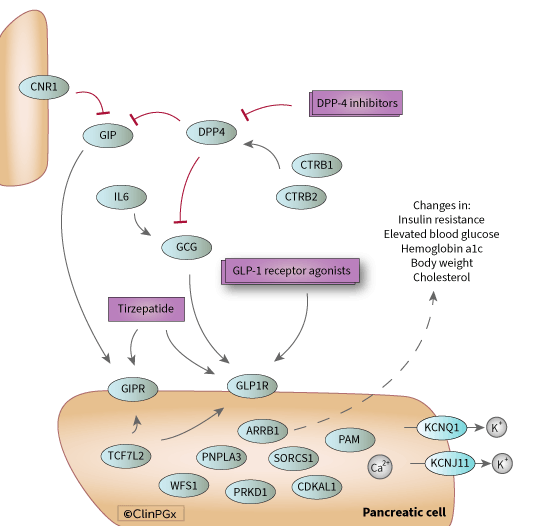

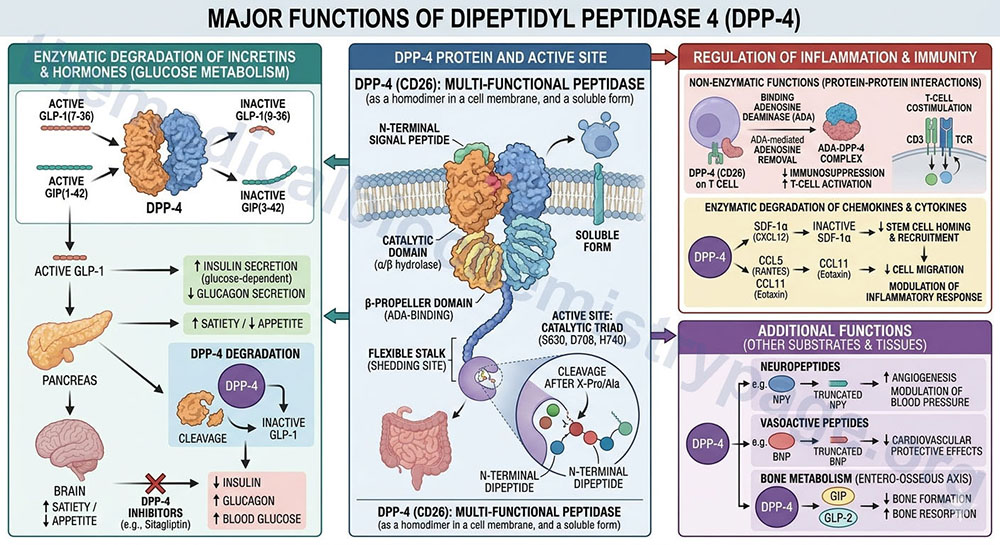


![PDF] Effects Of GLP-1 Analogues, DPP-4 Inhibitors And SGLT2 Inhibitors On The Renal System](https://figures.semanticscholar.org/c15f0327b75d4570d8ee6263ce3f83d7e6f770a3/2-Table1-1.png)



01053-X/asset/68ad1d8b-bb7e-4ca0-8f89-99384d885ca3/main.assets/gr2.jpg)