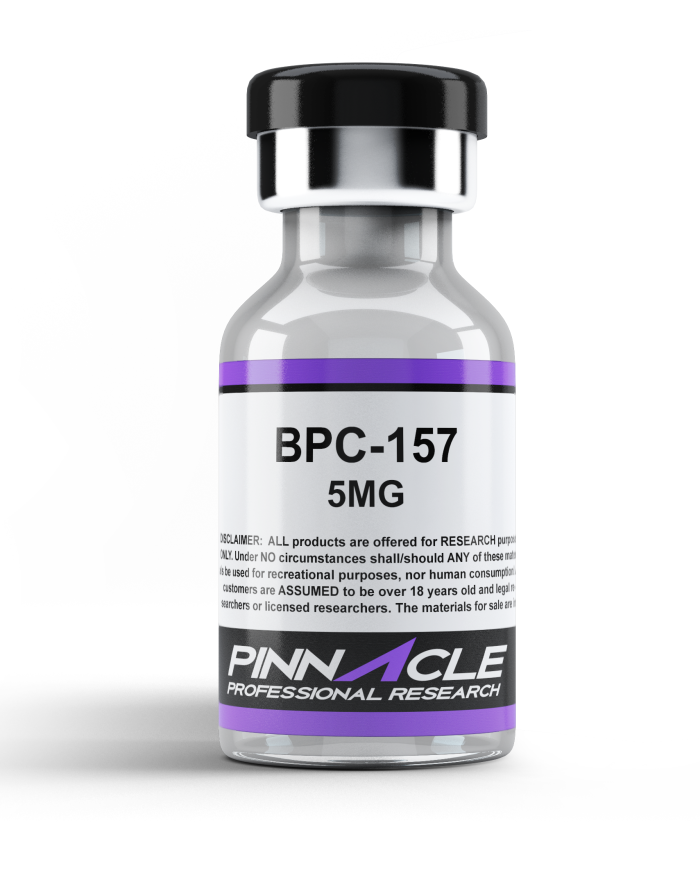
Core Principles of Stacking Before stacking, consider the following best practice rules that affect outcomes: Mechanism complementarity : dont stack two peptides that compete or desensitize the same receptor Minimal effective stack : start lean, then layer if needed (more is not always better) Side-effect balance : pairing one that drives appetite with one that regulates glucose Sequence & timing : the order of peptide administration and alignment with circadian rhythm Cycling & rest periods : most work best when cycled, and always look up each peptides individual cycle protocol Biomarker tracking & feedback loops : get blood work before and after your protocol to stay ahead of any potentially unhealthy complications Lets explore some of the most common combos

Furthermore, we additionally challenged the most immediate period after injury induction (skin defect) (i.e., 2, 5, and 10 min) (Figure 8) due to the evidence that BPC 157 did ensure a particular specificity within the pathways (at least, Egr, Nos, Srf, Vegr, Akt1, Plc , and Kras genes) (Vukojevic et al., 2018)
How many treatments are typically needed to see results
If the question is "which peptide has fewer side effects," AOD 9604 wins convincingly