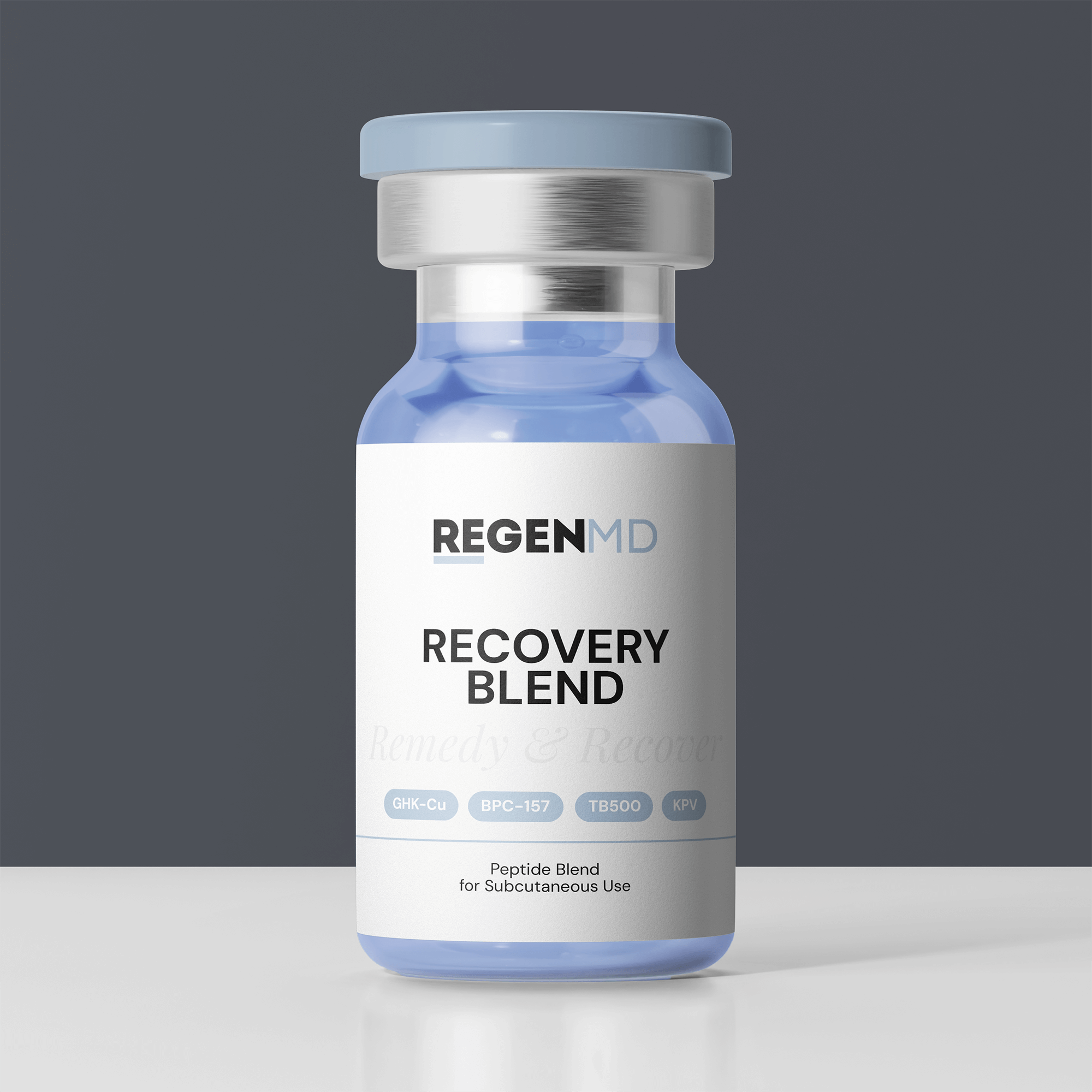
In briefing documents for the meeting, the FDAs experts said there is a lack of evidence on effectiveness and safety to justify letting pharmacies make the peptides that the panel will review

Flying Guides for Vitamins and Supplements - TSA-Approved Pills, Tablets, and Capsules: Fully Allowed TSA Status: Unrestricted in carry-on and checked bags Unlimited quantity allowed in carry-on No 3-1-1 liquid restrictions Don't need removal during screening Can use pill organizers, not just original bottles No declaration required Advantages: No restrictions, familiar format, long shelf life, cost-effective Disadvantages: Require water for swallowing, bulky bottles, can spill Best for: Budget-conscious travelers, those comfortable swallowing pills Gummy Vitamins: Fully Allowed TSA Status: Unrestricted (classified as solid food, not liquid) Unlimited quantity in carry-on NOT subject to 3-1-1 liquid rule despite soft texture Can transfer to smaller containers Disadvantages: Melt in heat (checked bags, hot climates), still bulky, sugar content Best for: Cool-climate travel, those who prefer chewing, families with children Liquid Vitamins: Restricted TSA Status: Allowed ONLY when 3.4 oz or less per bottle in quart-sized bag Maximum 3.4 oz (100ml) per bottle in carry-on Must fit in one quart-sized clear bag with all toiletries Bottles over 3.4 oz WILL BE CONFISCATED Unlimited in checked luggage Why avoid for travel: Most vitamin bottles are 8-16 oz

In schizophrenia, GLP-1 receptor agonists improve metabolic health but not core psychotic symptoms
Opting for needles made from high-quality materials ensures safety during the injection process