DNA Constructs As shown in Figure S4B in Supplementary Material, pcDNA3.1-Flag-GSTP, pcDNA3.1-Flag-HMGB1, pcDNA3.1-Flag-GSTM, six GSTP phosphorylation mutants including pcDNA3.1-Flag-GSTP-S42A (in which serine-42 was mutated to alanine, a S42 non-phosphorylatable mutant), pcDNA3.1-Flag-GSTP-S42D (in which serine-42 was mutated to aspartate, a Ser42 constant-phosphomimetic mutant), pcDNA3.1-Flag-GSTP-S184A (in which serine-184 was mutated to alanine, a Ser184 non-phosphorylatable mutant), pcDNA3.1-Flag-GSTP-S184D (in which serine-184 was mutated to aspartate, a Ser184 constant-phosphomimetic mutant), pcDNA3.1-Flag-GSTP-Y198F (in which tyrosine-198 was mutated to phenylalanine, a Tyr198 non-phosphorylatable mutant) and pcDNA3.1-Flag-GSTP-Y198D (in which tyrosine-198 was mutated to aspartate, a Tyr198 constant-phosphomimetic mutant), pET28a-HMGB1, pET28a-GSTP(WT), pET28a-GSTP(S184A), pET28a-GSTP(S184D) were constructed by using molecular cloning technology

And this glutathione can eventually make its way to your thyroid to help protect it
Hepatic and gastrointestinal effects Clinical manifestations of raised copper levels in the liver due to copper sulfate poisoning comprise a wide range of signs and symptoms, including delicate and asymptomatic morphological changes in the hepatic tissue, self-limiting hepatitis-like disease to severe hepatitis, recurrent jaundice, if associated with hemolysis of red blood cells, cirrhosis, and even acute liver failure [23]
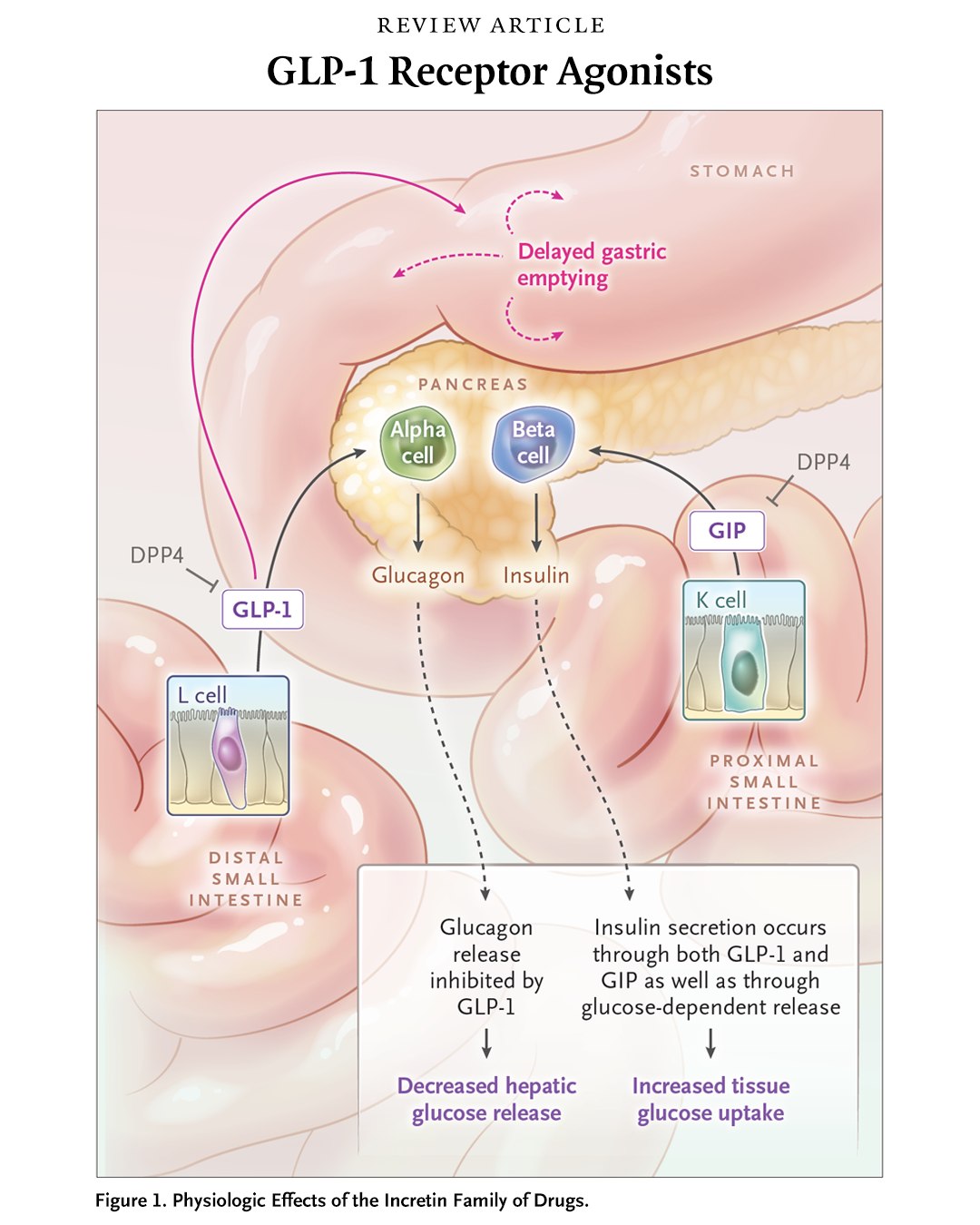
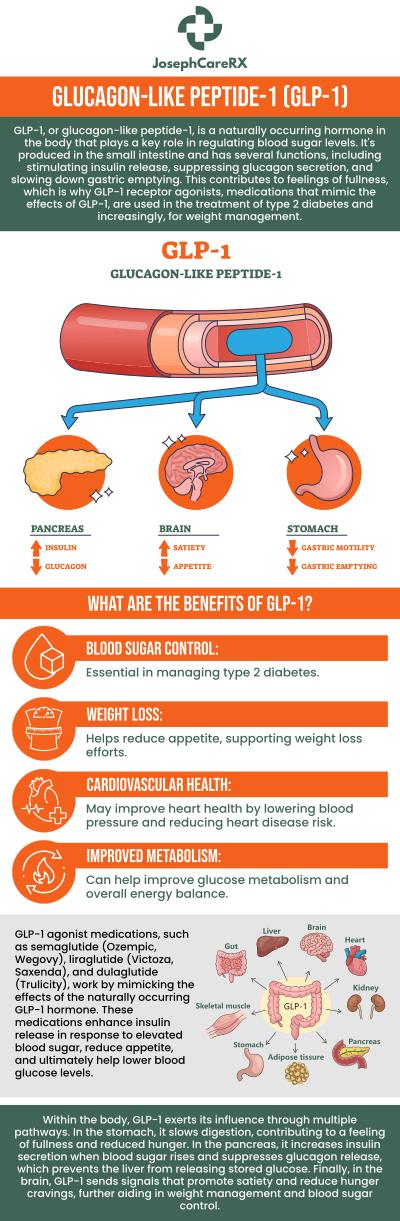
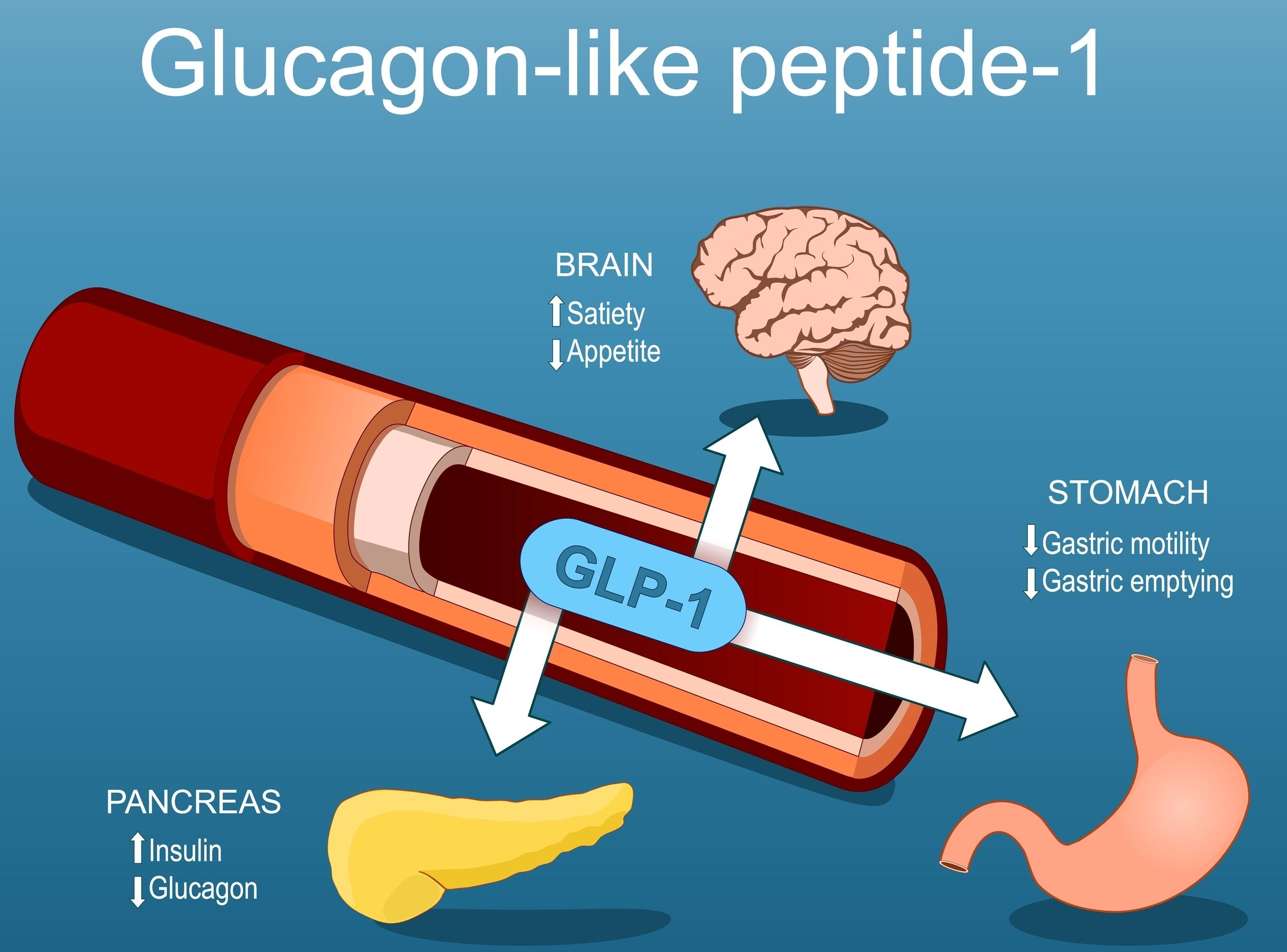
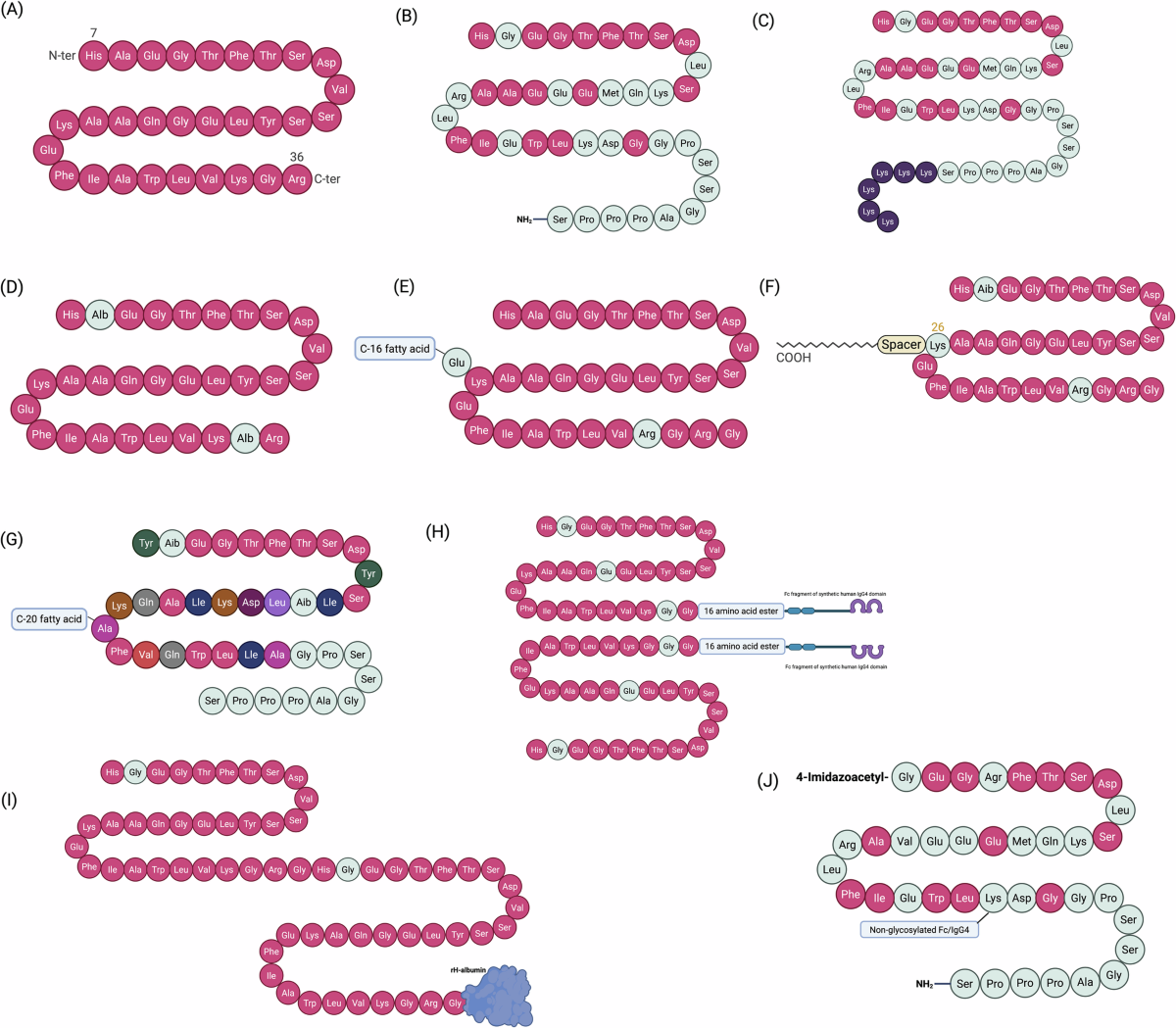
GLP-1 (Glucagon-Like Peptide-1) is primarily produced in enteroendocrine L-cells located in the distal small intestine (ileum) and colon in response to eating
00188-2/asset/060af149-96d8-44a2-9e4d-318ecc8ae69e/main.assets/gr1_lrg.jpg)