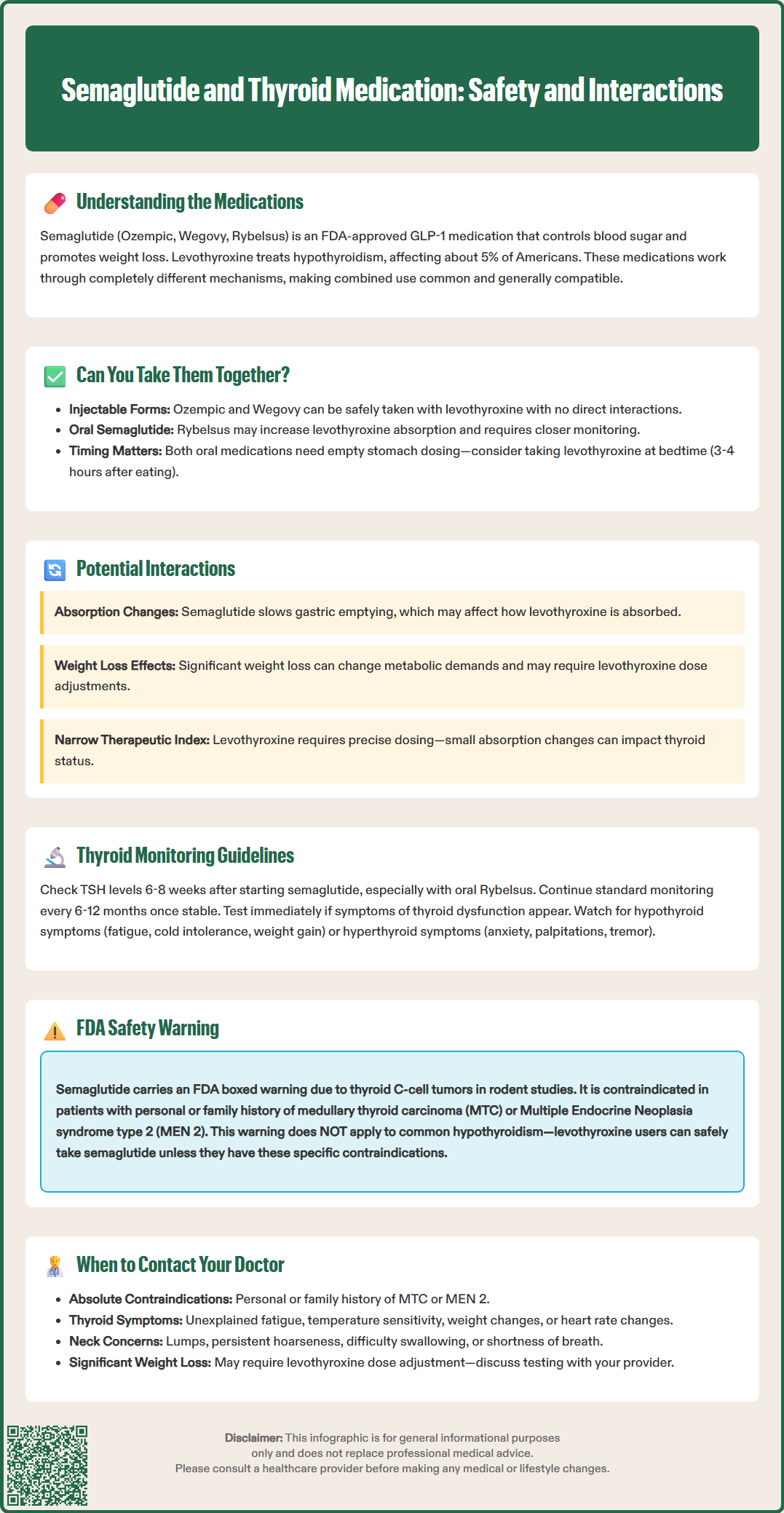
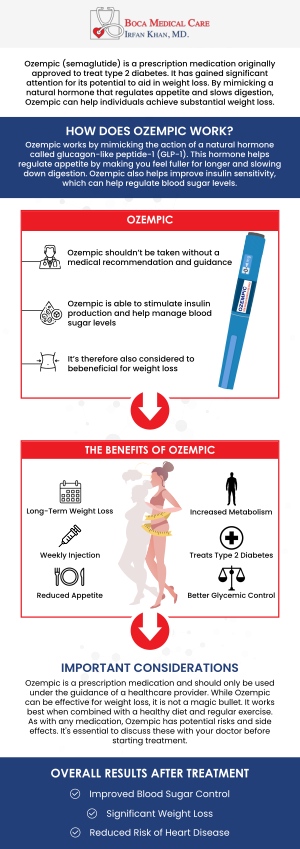
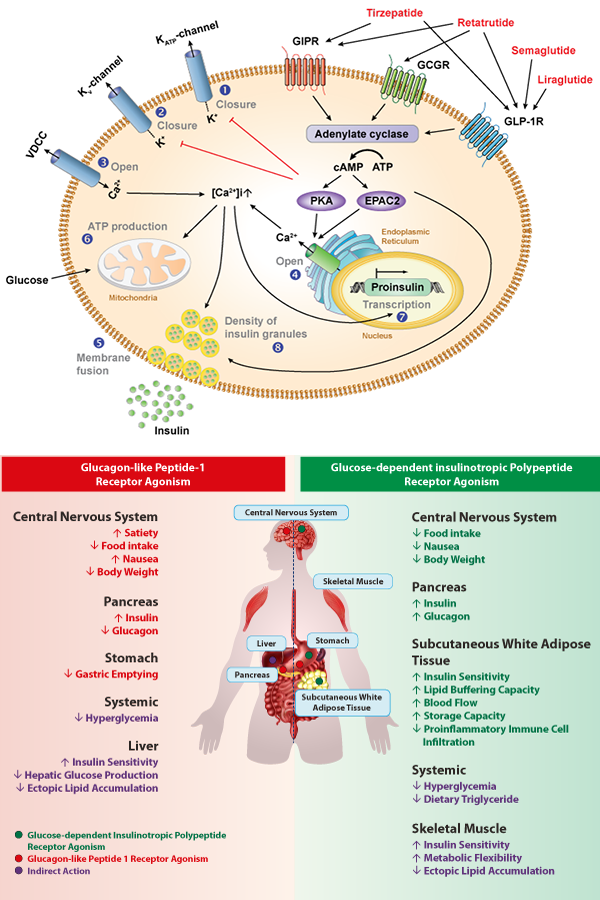
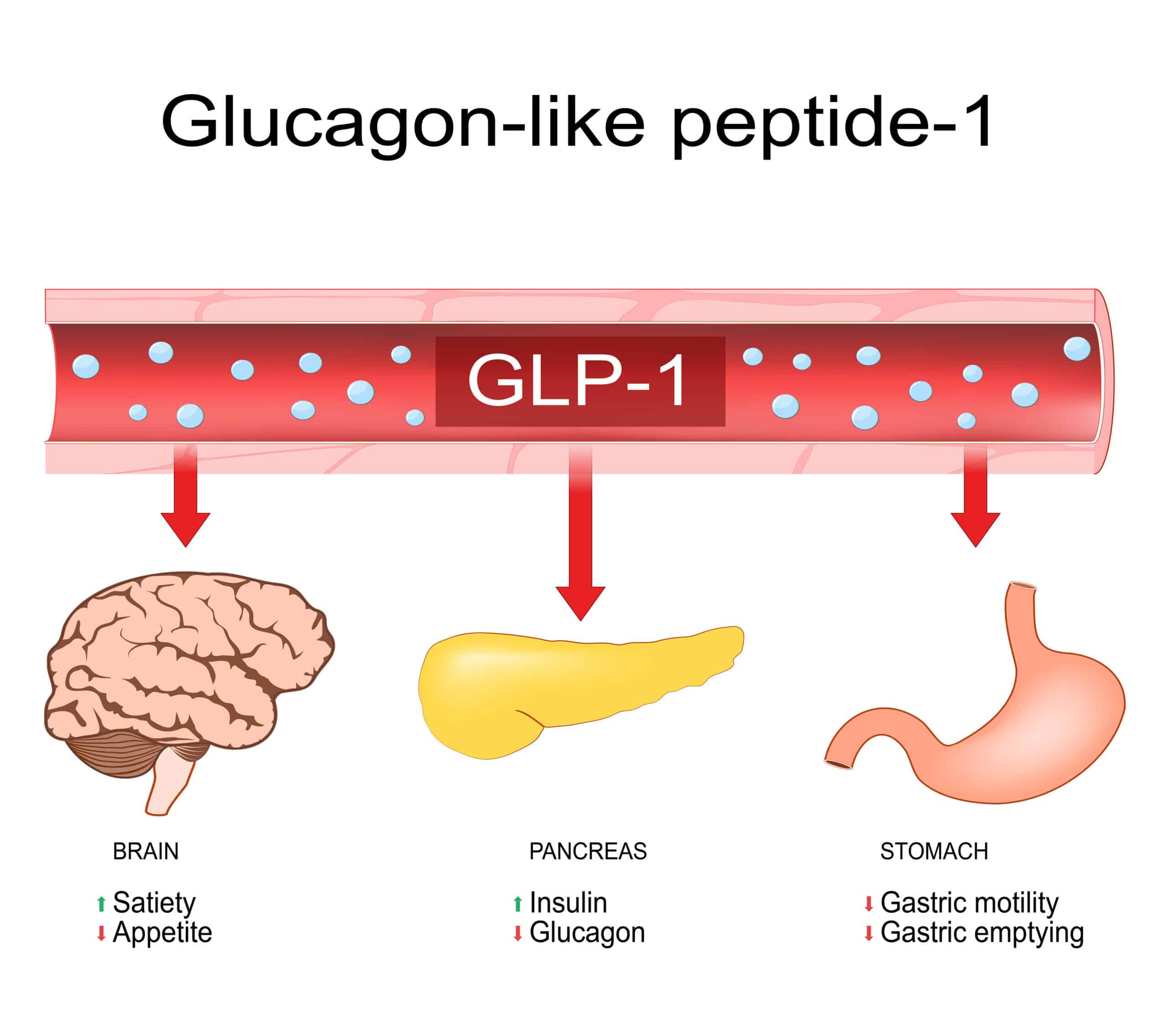
Semaglutide is a GLP-1 receptor agonist that slows gastric emptying and stimulates brainstem receptors involved in nausea Nausea affects at least 10% of patients and is dose-dependent, often improving after several weeks of continued treatment Dietary modifications, smaller frequent meals, and gradual dose escalation help reduce gastrointestinal side effects Severe persistent vomiting, inability to retain fluids, or severe abdominal pain warrant immediate medical assessment Rare serious complications include pancreatitis, gallbladder disease, and dehydration-related kidney problems requiring urgent review Table of Contents Does Ozempic Make You Feel Sick
Efficacy Semaglutide: Weight Loss: In clinical trials, patients using Semaglutide experienced an average weight loss of 15-20% of their initial body weight
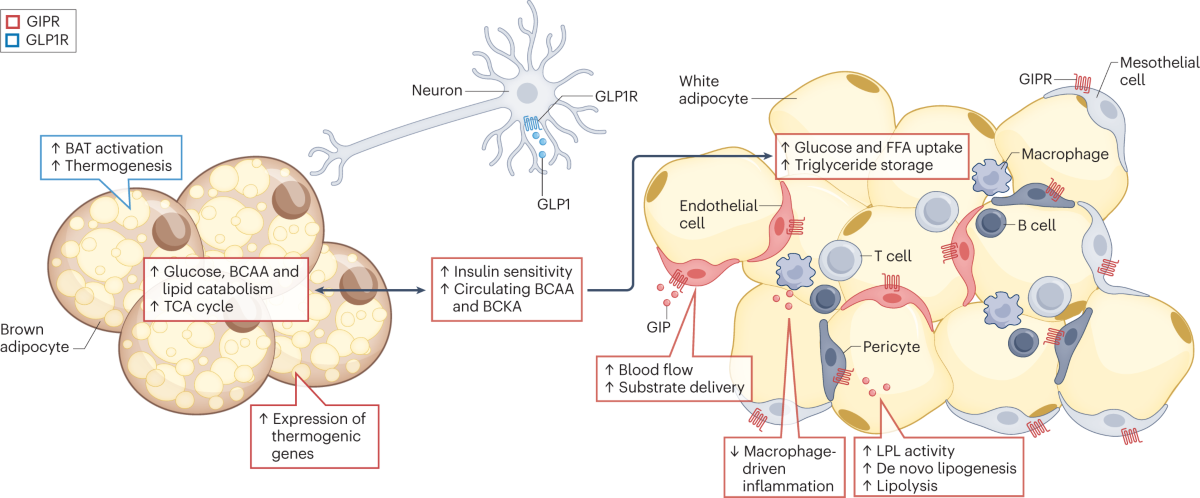
By periodically removing GIP stimulation (when on semaglutide) and then reintroducing it (when switching to tirzepatide), the theory posits that the body never fully adapts to either receptor profile
Stopping weight loss medications is known to cause intense hunger pangs, weight gain and blood sugar swings, all of which can be mitigated by slowly weaning off the drugs with a doctor's guidance