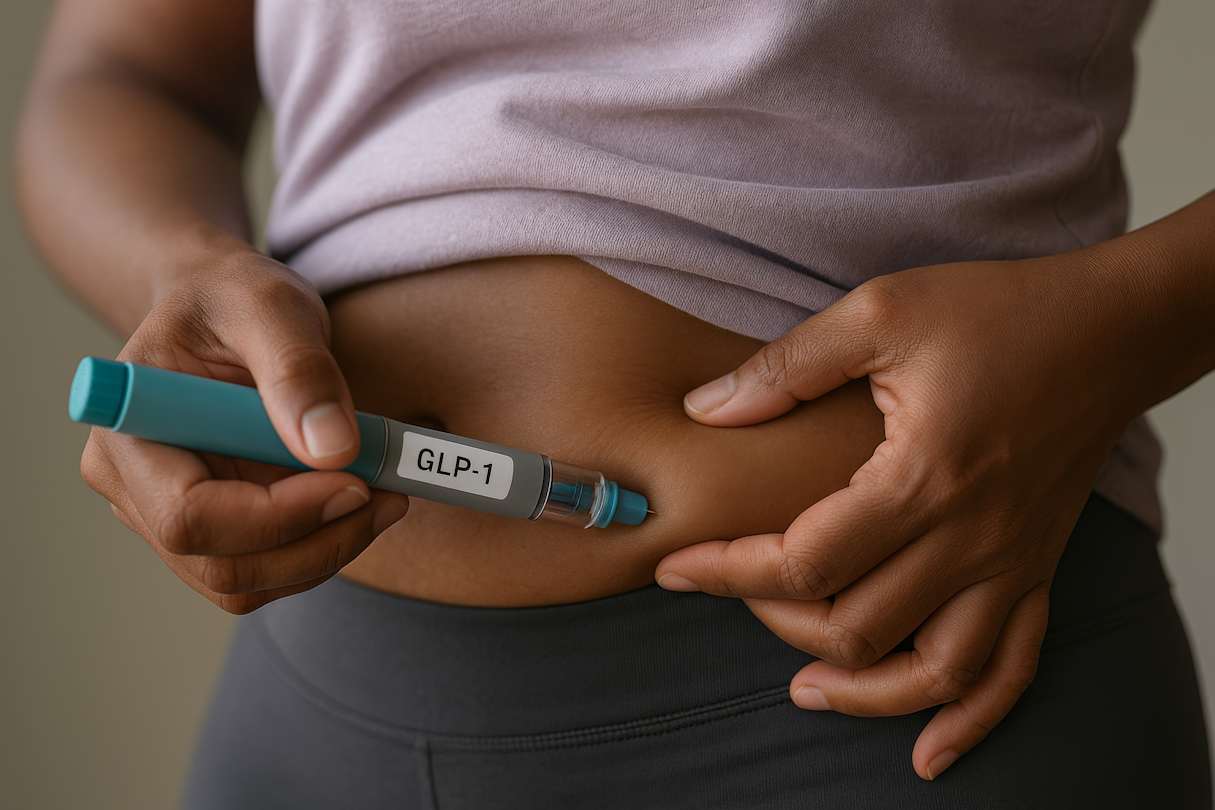
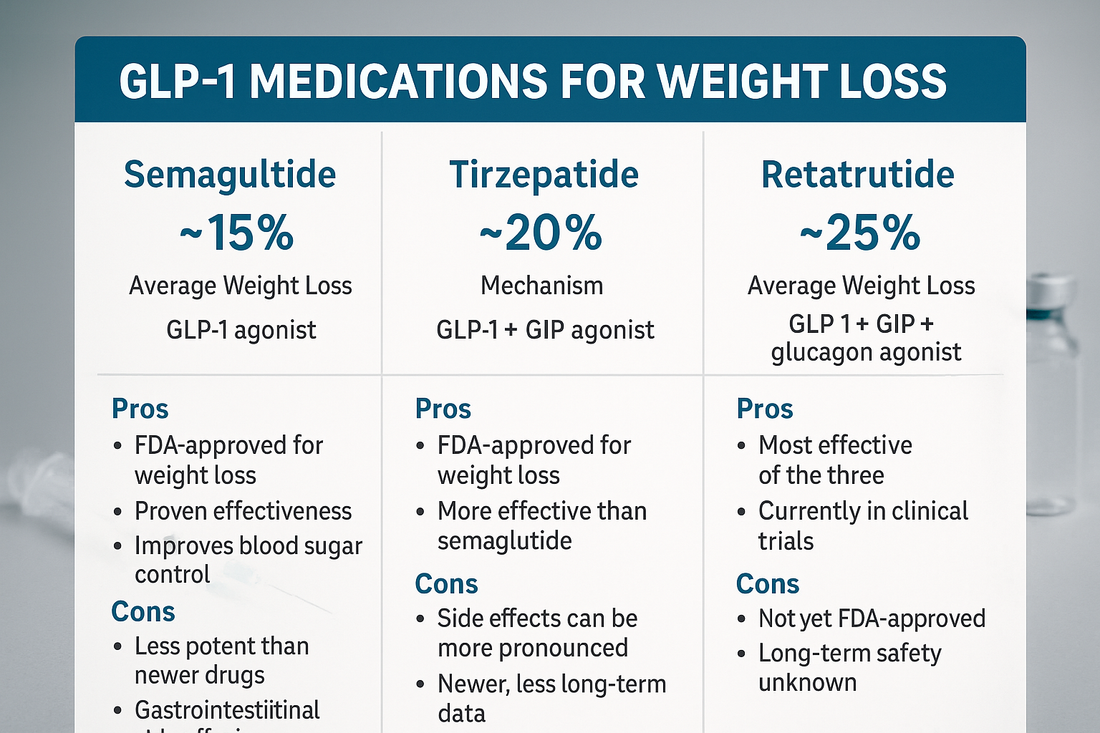
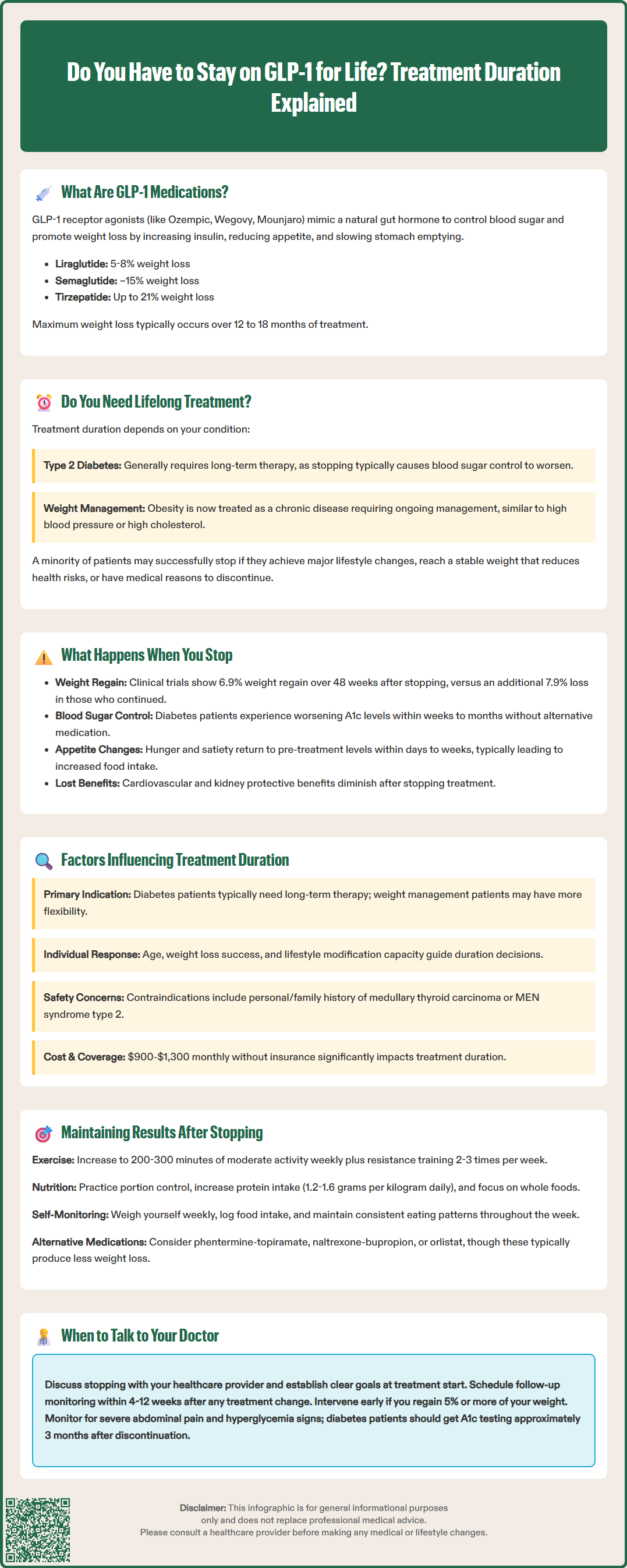
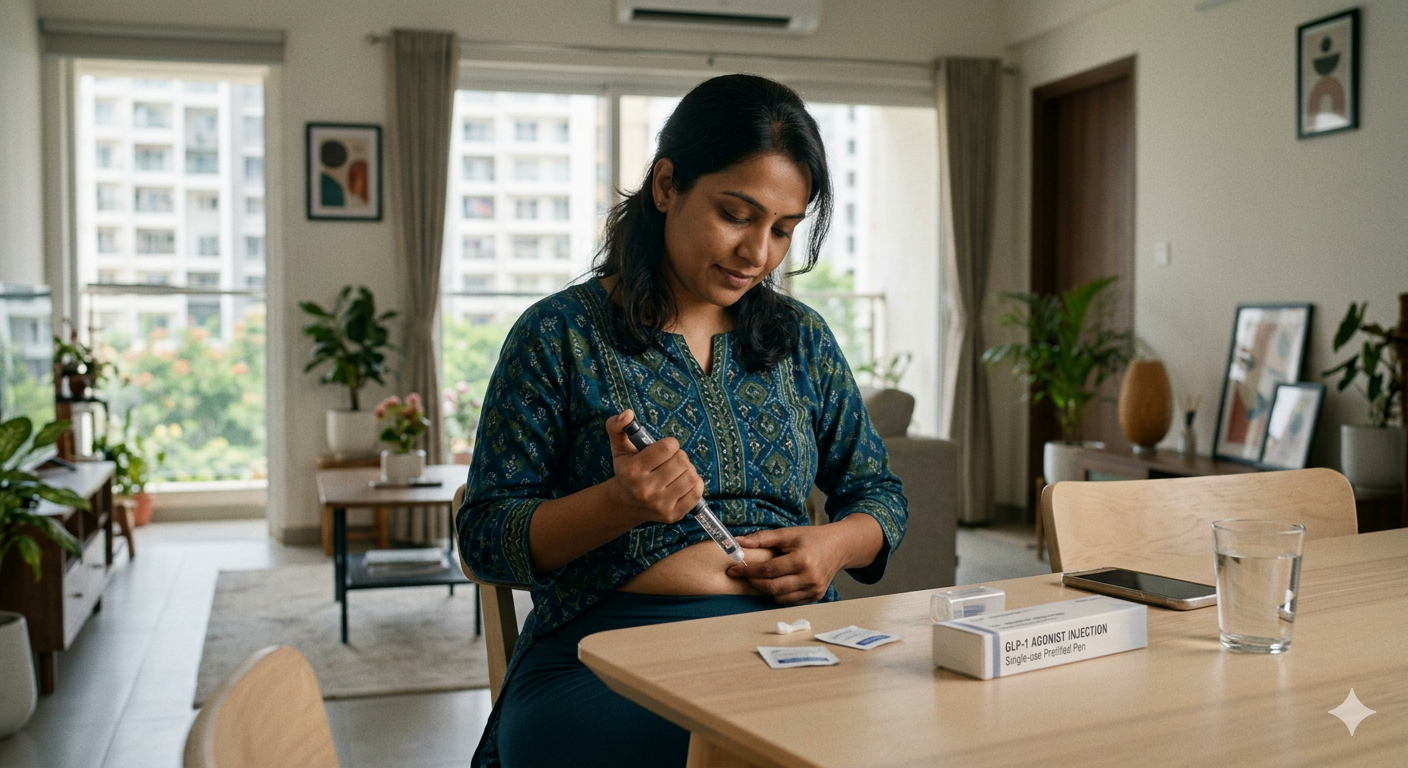
Less Common but Serious Side Effects Some less common but more serious GLP-1 side effects are worth being aware of: Pancreatitis (inflammation of the pancreas) Gallbladder problems (including gallstones) Acute kidney injury (usually as a result of severe dehydration from vomiting or diarrhea) Diabetic retinopathy worsening (particularly in patients with rapid improvement in blood sugar control) Hypoglycemia (when combined with other diabetes medications like sulfonylureas or insulin) All GLP-1 medications also carry a warning regarding a theoretical risk of medullary thyroid carcinoma, based on animal studies
SKU: IPA10
Prebiotic and probiotic use may help reduce TMAO production: Administration of probiotic Lacticaseibacillus paracasei , but not Lacticaseibacillus casei, or Lactiplantibacillus plantarum , may reduce circulating TMA and TMAO levels Enterobacter aerogenes ZDY01 increased Bacteroidales ( Bacterodetes phylum) and decreased Prevotellaceae and Helicobacteraceae families Supplementing with Archeobacteria phylum, may reduce TMA and TMAO The prebiotic Arabinoxylan oligosaccharide plus vitamins B and D showed a small reduction in serum TMAO Prebiotics such as resveratrol increased the Bacterodetes phylum, while Firmicutes , aside from Lactobacillus and Bifidobacterium genus, decreased along with TMAO plasma levels Physical activity has a favorable effect on gut microbiota composition Some natural products, including 3,3-dimethyldimetyl-1-butanol (DMB) from vinegar, olive oil, and grapeseed oil, may inhibit the conversion of choline, betaine, and carnitine to TMA

Recommendation: Treatment frequency determined during consultation









)