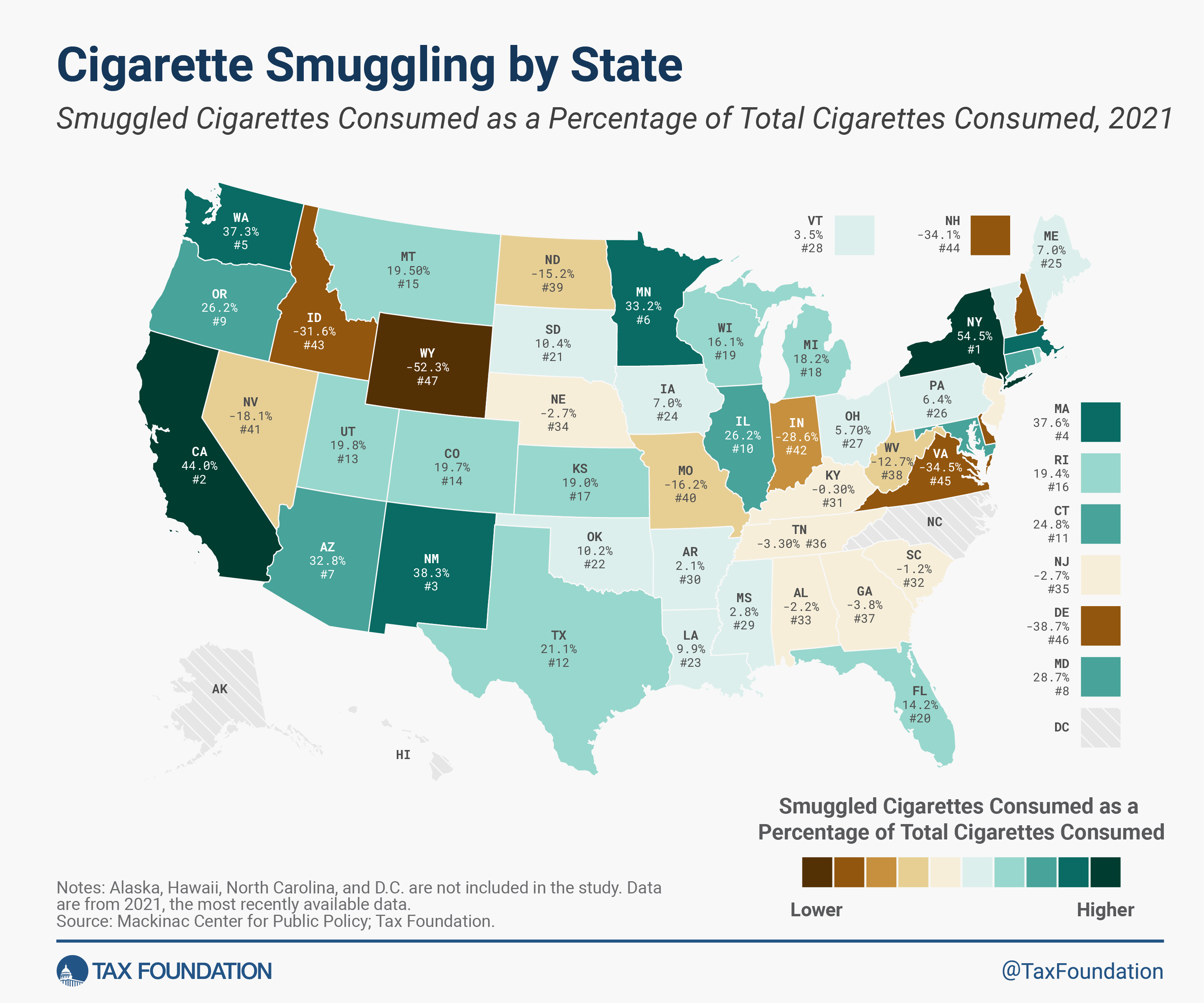
Sound, public health-promoting regulations need to be in place globally to support safer, satisfying alternatives to cigarettes, before, if ever, taking any further steps to banning traditional cigarettes

With shared decision-making, health care providers engage in a collaborative process to help people who smoke to make choices that align with evidence and their own values and preferences, smoking behaviours, and life circumstances.25 Shared decisionmaking should not be used to convince a person to choose a specific intervention or group of interventions, but should help to elicit the persons preferences and provide information that allows them to make a decision.25 Many people attempt quitting multiple times with different interventions or combinations of interventions before being successful, and may learn from preceding attempts or change their preferences for different interventions.19 Patients who relapse should be engaged in further shared decision-making to explore options to attempt to quit again, including whether they wish to try something different, or reattempt with the same intervention

In France, the National Committee against Smoking (CNCT), a member of the Stop Tobacco Pollution Alliance (STPA), has already positioned itself in favour of banning filters and is calling on the public authorities to act in this direction.[4]
Other options to quit smoking include smartphone apps, quitting cold turkey or e-cigarettes